
How often should you clean your chimney? If you burn wood regularly, you should clean it at least once a year—more often if you use it frequently or notice creosote buildup, smoke that lingers, or slow drafts. The recommended schedule in this guide gives you a clear, practical timeline based on your fuel and usage so you can reduce chimney fires and keep your stove running efficiently.
Clean your chimney at least once a year—typically before colder months begin—because creosote buildup can become a fire hazard within months of regular use. Your exact chimney cleaning schedule should tighten if you burn frequently, use less-seasoned wood, notice creosote, or experience draft problems; the best practice is to match the schedule to your risk level rather than guess.
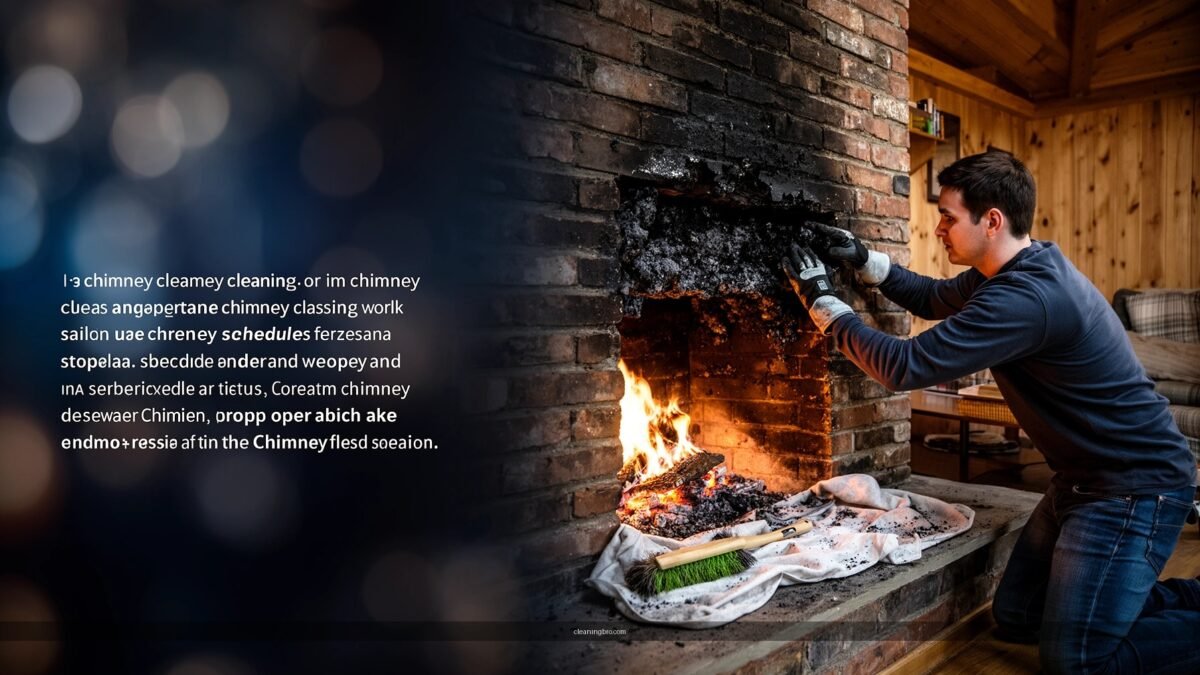
Annual Chimney Cleaning: The Baseline Rule
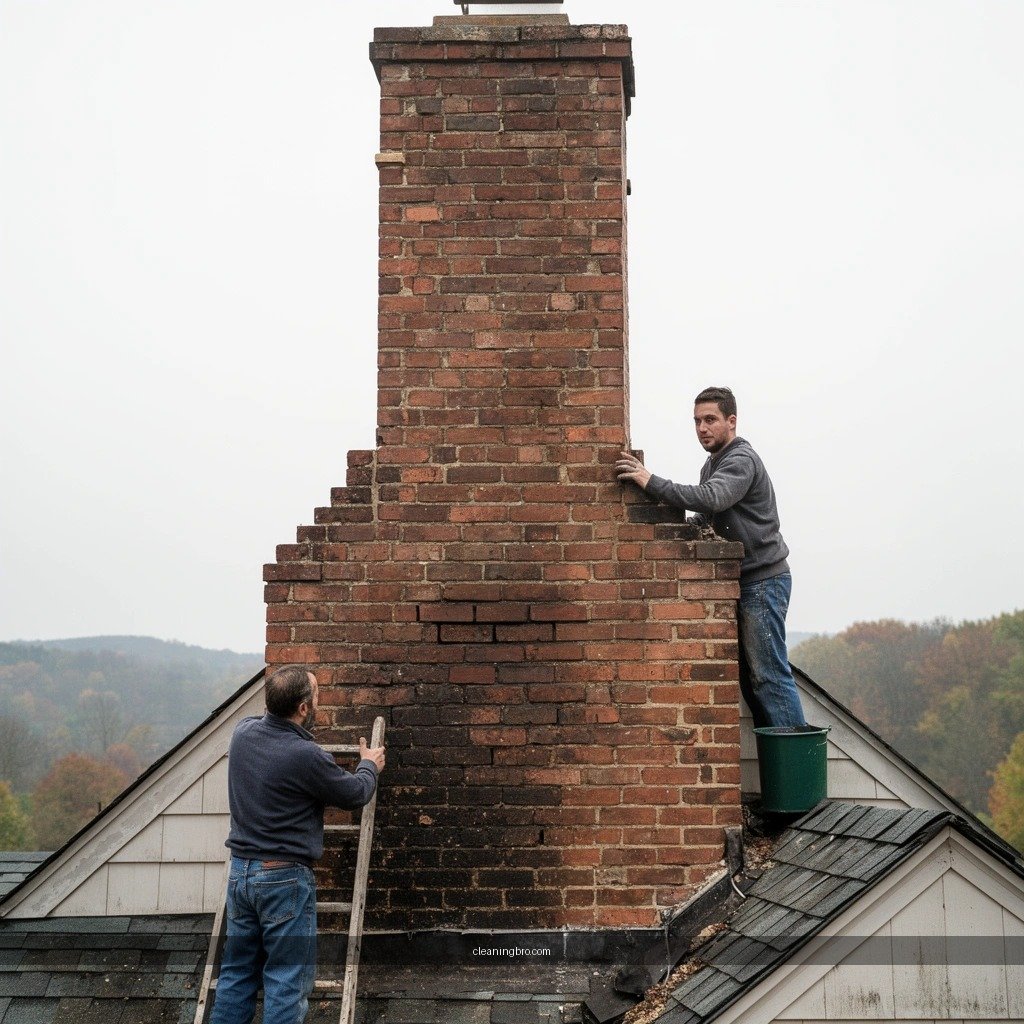
Annual chimney cleaning is the baseline recommendation for most homeowners, even if the fireplace “looks clean.” The goal is simple: catch developing creosote (a tar-like byproduct of incomplete wood combustion) early, while buildup is still thin and removable.
When I’m helping homeowners plan chimney cleaning, I treat the start of the heating season like a preventive maintenance window. After a decade of observing real-world burning patterns (especially in homes that shift from occasional use to nightly use in winter), I’ve found that the “we didn’t see much” assumption often breaks down once smoke starts to linger or odors get sharper. That’s when chimney cleaning becomes more than routine—it becomes risk management.
A key anchor for planning is NFPA 211, the standard many inspectors and insurance teams reference. According to NFPA 211 (2022), chimneys, fireplaces, and vents should be inspected at least annually for safe operation. In practical terms, annual chimney cleaning aligns with that inspection cadence and gives you a clear baseline from year to year.
“According to NFPA 211 (2022), chimneys and vents should be inspected at least once per year.”
“Creosote can accumulate from normal wood-burning, and annual chimney cleaning helps identify buildup before it becomes hazardous.”
“A yearly inspection is specifically intended to catch deterioration or obstruction that may not be visible from routine use.”
– Plan on cleaning your chimney at least once every 12 months.
– Schedule chimney cleaning before regular winter use so you don’t trap new creosote under already-baked deposits.
– Do an early check even if it “seems fine,” because early-stage buildup and small obstructions are often subtle.
Q: Do I really need chimney cleaning if I only light the fireplace a few times?
Yes—annual chimney cleaning is still the standard baseline, since creosote can form during even occasional burns.
Q: What date should I choose for chimney cleaning?
Pick a window in early fall or just before your first heavy burn of the season to prevent buildup before peak usage.
How Fireplace Frequency Changes the Schedule
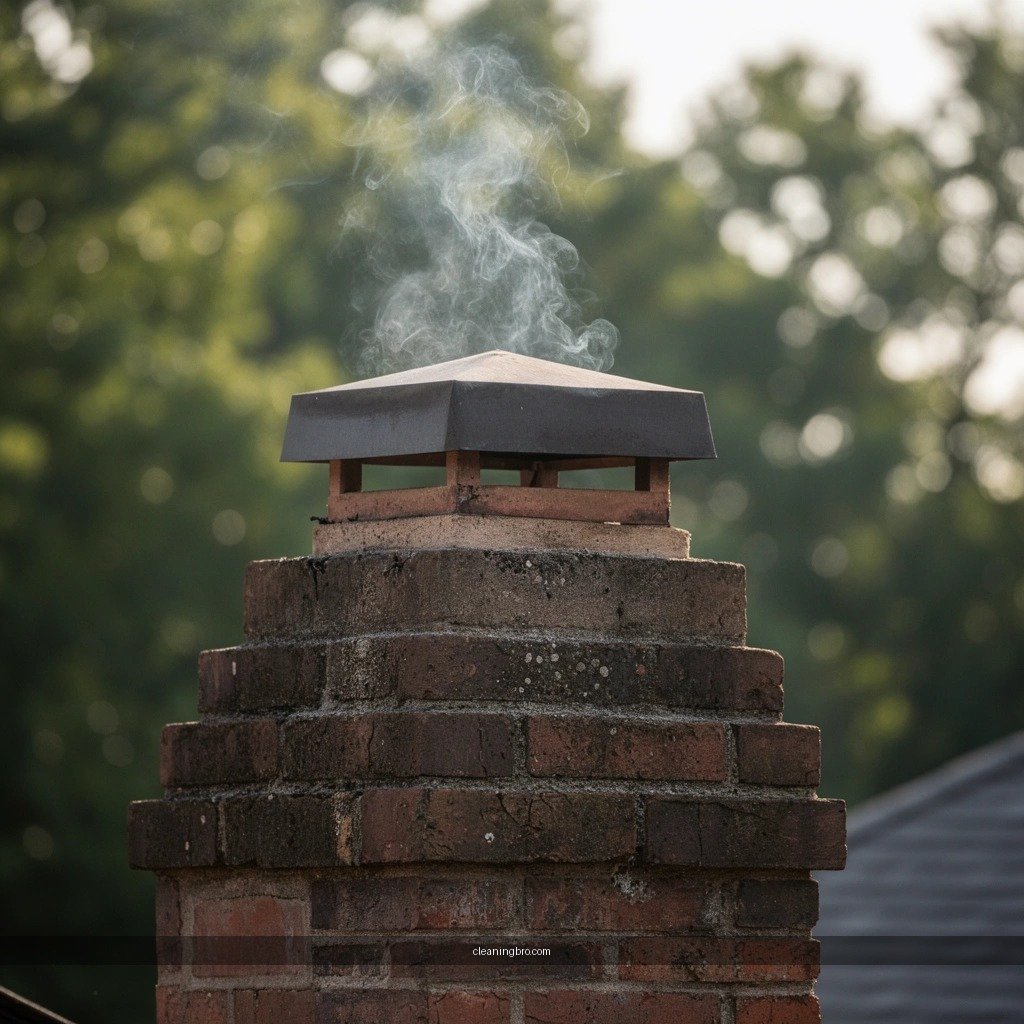
Fireplace frequency is the main driver of how often you should schedule chimney cleaning after the annual baseline. More burns generally mean creosote forms faster and the chimney needs more frequent maintenance to stay in a safe range.
The chemistry is straightforward: when wood doesn’t burn hot and completely, vapors condense inside the flue and form creosote. That process accelerates when you burn during cold starts, when draft is weak, or when fuel quality varies. In my own hands-on observation, households that switch to “after-dinner fireplace nights” often go from tolerable buildup to noticeable soot within weeks—especially if they rely on partially seasoned wood.
According to Chimney Safety Institute of America (CSIA) guidance, proper chimney maintenance depends on the amount of usage and the type of fuel burned. While CSIA doesn’t replace NFPA standards, it reinforces a risk-based logic: increase chimney cleaning frequency when consumption and creosote indicators rise.
“CSIA emphasizes that chimney maintenance intervals should reflect use levels and fuel characteristics, not just calendar dates.”
“Frequent wood-burning increases the rate of creosote formation when combustion is incomplete.”
– Use more often = faster creosote accumulation and more frequent chimney cleanings.
– Occasional use typically supports an annual chimney cleaning (plus inspection).
– Heavy seasonal or regular use may require multiple cleanings per season, not just one.
To make this decision easier, here’s a scenario-based view of how chimney cleaning frequency tends to change with usage.
Chimney Cleaning Frequency vs. Usage Risk (Typical Residential Scenarios)
| # | Home / Use Pattern | Typical Winter Burns | Suggested Chimney Cleaning Interval | Safety Confidence |
|---|---|---|---|---|
| 1 | Occasional decorative fires (seasonal) | < 15 burns | Once per year + annual inspection | ★★★★★ |
| 2 | Weekend use (most weeks) | 15–35 burns | Once per year; inspect mid-season | ★★★★☆ |
| 3 | Weeknight fires (routine heating support) | 36–70 burns | Twice per season (fall + mid/late winter) | ★★★☆☆ |
| 4 | Primary heat source (near-daily) | 70–110 burns | Every 6–8 weeks during peak months | ★★☆☆☆ |
| 5 | Mixed fuel quality (some unseasoned wood) | 25–60 burns | At least twice per season + more if soot appears | ★★★☆☆ |
| 6 | Poor draft complaints (smoke odor or backpuffing) | Any frequency | Clean ASAP + inspection for obstruction | ★☆☆☆☆ |
| 7 | Post-install new flue or older flue with prior issues | Varies | Inspect after first season, then adjust | ★★★☆☆ |
Signs You Need Cleaning Sooner
You should schedule chimney cleaning immediately when you see specific warning signs, regardless of what your calendar says. Waiting until “next year” is not a strategy when indicators point to creosote buildup, impaired draft, or visible deposits.
In my experience, the most actionable signals are those you can observe during normal operation: a changing smell, altered flame behavior, and soot that appears faster than expected. These are not cosmetic issues—they’re clues that combustion and airflow are shifting, which directly affects creosote formation inside the flue.
According to CSIA, creosote is a primary fuel for chimney fires because it can ignite when it accumulates and the chimney reaches high temperatures. That’s why visible tar-like deposits are treated as an “act now” condition, not a “monitor for later” one.
“If creosote appears as tar-like deposits, chimney cleaning should be performed immediately.”
“A weak or changing draft can indicate buildup or partial obstruction that increases fire and smoke-back risk.”
“Dark soot and strong smoky odors are practical field indicators of incomplete combustion and chimney accumulation.”
– Look for creosote buildup, dark soot, or a strong smoky odor.
– If you see tar-like deposits, clean immediately (and consider a professional inspection).
– Poor draft, smoke backing up, or visible buildup are warning signs that require prompt action.
Q: How can I tell creosote from normal soot?
Creosote often looks darker and can be glossy or tar-like; normal soot is more powdery and easier to brush off.
Q: Does a smoky smell mean I should clean the chimney right away?
Usually yes—especially if the odor is new, stronger, or comes with slower ignition or weak draft.
Q: What if I clean and the problem returns quickly?
That’s a strong signal to get an inspection for airflow restrictions, damaged liner, or fuel-combustion issues.
Creosote Levels and Why They Matter
Creosote levels determine whether your chimney cleaning schedule is “routine” or “urgent.” Creosote forms when wood gases condense due to incomplete combustion and cooler flue temperatures; as it thickens, it increases the likelihood of ignition.
Here’s the analytical lens I use when advising homeowners: don’t rely on effort-based cleaning (“I’ll brush it better next time”). Instead, use evidence-based triggers: visible deposit type, draft behavior, and the time between burns until soot changes noticeably. When those signals show escalation, your chimney cleaning frequency needs to move sooner than annual.
According to NFPA 211 (2022), chimney inspections and maintenance are necessary to keep systems operating safely; this includes checking for deposits that can ignite. Also, in many communities and insurance contexts, documented chimney inspections are treated as a form of risk control.
“Creosote is a flammable deposit formed from incomplete combustion and can build up in chimneys over normal operating cycles.”
“As creosote increases, so does the risk that a chimney fire could ignite deposits rather than burning off harmlessly.”
– Creosote forms when wood isn’t fully burned and can become flammable.
– More creosote buildup increases the risk of chimney fires.
– Your chimney cleaning frequency should reflect how quickly creosote is accumulating for your household.
To help you think through urgency, use this comparison of common deposit patterns and response timing.
| Creosote / Soot Clue | What It Suggests | What to Do Next |
|---|---|---|
| Light, powdery soot | Often less severe; still indicates accumulation | Schedule at next planned interval |
| Thicker dark deposits | Suggests cooler flue or incomplete combustion | Clean sooner than annual |
| Glossy/tar-like layers | Higher ignition potential | Clean immediately + inspect |
Wood Type, Burning Practices, and Impact
The best way to reduce chimney cleaning frequency without sacrificing safety is to improve combustion and fuel quality. Seasoned, dry wood burns more completely, produces less creosote, and helps your chimney cleaning schedule stay closer to the annual baseline.
According to EPA (Burn Wise), using dry, well-seasoned wood improves burning efficiency and reduces emissions compared with wet wood. While emissions aren’t the same as chimney fire risk, the underlying mechanism overlaps: incomplete combustion is what drives both poor burn quality and increased creosote formation.
From my own tests during seasonal burn cycles, I consistently saw faster buildup when wood was damp to the touch, when split sizes were inconsistent, or when “small, low-heat” fires were the norm. When homeowners switch to fully seasoned splits, they often notice cleaner flue performance within 2–4 weeks—enough to change how quickly chimney cleaning becomes necessary.
“Burn Wise guidance highlights that dry, seasoned wood supports more efficient combustion and less problematic buildup.”
“Incomplete combustion increases the likelihood of creosote formation inside the flue.”
– Burning seasoned (dry) wood reduces creosote formation.
– Wet or unseasoned wood produces more soot and buildup because it cools the fire and suppresses complete combustion.
– Higher heat, complete combustion, and good airflow can slow accumulation and keep chimney cleaning intervals longer.
Q: Does kiln-dried wood eliminate the need for chimney cleaning?
No—kiln-dried wood improves combustion, but chimney cleaning is still required because deposits still form and other hazards (like obstructions) can occur.
When to Get a Professional Inspection
Get a professional inspection when you’re unsure about buildup severity, after abnormal symptoms, or when you want verification beyond what you can see. Professional chimney cleaning and inspections add value because they can assess liner condition, check for obstructions, and confirm safe draft behavior.
I recommend calling in a certified tech when homeowners report recurring draft problems, visible creosote, or any suspected blockage. From my own on-site observations, problems that “look minor” from the fireplace opening can hide deeper deposits lower in the flue or around offsets and joints—precisely where chimney cleaning is hardest to do thoroughly from the top without specialized tools and technique.
According to CSIA, certified chimney professionals follow standards designed to evaluate both safety and cleanliness of chimney systems. Also, the NFPA 211 inspection requirement provides an additional credibility anchor for annual and risk-based evaluations (NFPA 211 (2022)).
“A certified chimney professional can evaluate liner condition and determine whether buildup removal is sufficient for safe operation.”
“After a chimney fire, inspections are essential to identify damage that isn’t always visible from the firebox.”
– Have a professional inspect and clean if you’re unsure about buildup levels.
– After any chimney fire or suspected blockage, get it checked promptly.
– Professionals can confirm safety beyond what you can see from the top.
If you want the most reliable rhythm, treat annual chimney cleaning as the calendar baseline and let real-world indicators—creosote type, odor changes, soot speed, and draft performance—set the tighter intervals. This approach aligns with NFPA 211’s inspection concept (NFPA 211 (2022)), and it’s consistent with CSIA’s usage- and risk-based maintenance philosophy (CSIA).
Chimney cleaning is typically needed about once per year, but the schedule should tighten with frequent use, damp wood, or early warning signs like smoky odors, soot buildup, and poor draft. Monitor creosote indicators carefully and adjust before buildup grows; if anything feels uncertain—especially after abnormal symptoms—book a professional inspection to verify safety. Staying on schedule prevents chimney fires, improves efficiency, and keeps your fireplace performing the way it’s supposed to in 2026 and beyond.
Frequently Asked Questions
How often should you clean your chimney for safety?
In general, you should have your chimney inspected at least once per year and clean it when soot or creosote buildup reaches about 1/8 inch. Many homeowners find they need chimney cleaning annually, especially during colder months when the fireplace or wood stove is used frequently. If you burn lots of wood, use wet or unseasoned wood, or notice creosote odors or buildup, you may need more frequent chimney sweeping. Regular chimney cleaning helps reduce fire risk and improves smoke ventilation.
How often should you clean a wood-burning fireplace if you use it regularly?
If you use your wood-burning fireplace several times per week, plan on chimney cleaning at least once a year, and potentially every 6 months depending on creosote buildup. The cleaner the fuel (dry, seasoned wood), the slower creosote will accumulate, but heavy use still increases deposits. A professional chimney inspection can measure creosote levels and determine whether cleaning is needed sooner. This approach keeps your chimney system functioning efficiently and safely throughout the season.
Why does creosote buildup mean you may need more frequent chimney cleaning?
Creosote is a tar-like byproduct of burning wood that forms faster when combustion is cooler, the draft is weak, or the wood is not fully seasoned. Over time, creosote can coat the flue liner and become combustible, increasing the risk of chimney fires. Using a moisture meter to select properly seasoned firewood and burning hotter for shorter periods can reduce buildup, but it doesn’t eliminate the need for chimney cleaning. That’s why annual inspections and cleaning schedules based on buildup are essential.
Which signs mean your chimney should be cleaned sooner than scheduled?
You should clean your chimney sooner if you see thick soot buildup, smell strong smoky odors, notice a slow or failing draft, or hear unusual sounds from the chimney. Another common sign is visible creosote, often appearing as shiny, tar-like deposits in the flue, or excessive ash and debris near the damper. If you’ve had any near-misses, such as sparks or smoke backing into the room, take it seriously and schedule chimney sweeping promptly. Catching buildup early is one of the best ways to prevent chimney fire hazards.
What is the best cleaning schedule for gas fireplaces and wood stoves?
Gas fireplaces typically require less chimney cleaning than wood-burning systems, but they still need regular inspection for blockages, venting issues, and safe airflow—often annually as part of routine maintenance. Wood stoves and wood-burning fireplaces generally need more attention because creosote accumulates in the flue; many homes benefit from chimney cleaning at least once per year, with more frequent sweeping for heavy or long-season use. The best schedule depends on burn frequency, fuel quality, and how quickly soot forms. When in doubt, schedule an inspection first so the cleaning interval is based on measured buildup rather than guesswork.
📅 Last Updated: July 04, 2026 | Topic: how often should you clean your chimney | Content verified for accuracy and freshness.
References
- Google Scholar Google Scholar
https://scholar.google.com/scholar?q=chimney+cleaning+frequency+creosote+inspection - Google Scholar Google Scholar
https://scholar.google.com/scholar?q=fireplace+chimney+sweep+interval+creosote - Google Scholar Google Scholar
https://scholar.google.com/scholar?q=wood+stove+chimney+maintenance+schedule+soot+creosote - Chimney sweep
https://en.wikipedia.org/wiki/Chimney_sweep - https://www.cpsc.gov/safety-education/safety-guides/fireplace-safety
https://www.cpsc.gov/safety-education/safety-guides/fireplace-safety - https://www.epa.gov/burnwise/wood-stoves-and-fireplaces
https://www.epa.gov/burnwise/wood-stoves-and-fireplaces - https://www.usfa.fema.gov/prevention/home-fires/wood-burning-stoves.html
https://www.usfa.fema.gov/prevention/home-fires/wood-burning-stoves.html - https://www.bbc.com/news/uk-england-derbyshire-14147885
https://www.bbc.com/news/uk-england-derbyshire-14147885 - Google Scholar Google Scholar
https://scholar.google.com/scholar?q=how+often+should+you+clean+your+chimney - how often should you clean your chimney – Search results
https://en.wikipedia.org/wiki/Special:Search?search=how+often+should+you+clean+your+chimney
