

Learn how to clean a bluestone patio step by step, with a method that restores the stone’s true color without damaging the finish. This guide tells you exactly what to use, when to scrub, and how to rinse so algae, dirt, and grime lift cleanly. Follow the sequence for a patio that looks freshly reset—whether you’re handling light buildup or stubborn staining.


Clean your bluestone patio by sweeping first, then scrubbing with a pH-neutral cleaner (and using an oxygen-based cleaner only on algae/mildew), followed by a thorough rinse. Avoid harsh acids and aggressive pressure washing because they can stain, etch, or loosen joint material over time—making the patio look worse later.
A practical routine matters because bluestone is porous and its appearance is influenced by the way grime migrates into joints and mortar lines. In this guide, you’ll learn a low-risk workflow for everyday dirt, green growth, and the most common “how did this stain happen?” problems—using methods consistent with how stone-care professionals approach outdoor natural surfaces.
Who this is for (and when it applies)

This step-by-step cleaning method is for most homeowners who want a safer routine than “acid + pressure washer,” especially around joints. It applies when your bluestone patio has typical outdoor buildup like soil film, plant debris, and mildew or algae that reappears after wet weather.
If your bluestone patio is showing scattered discoloration, the right cleaner choice is usually more important than brute force. Bluestone cleaning works best when you treat the cause (biological growth and soil chemistry) rather than just removing the top layer.
Bluestone and other natural stones can show residue-driven re-spotting when cleaner is left in joints; thorough rinsing is a core part of many stone-care protocols.
Oxygen-based cleaners are commonly recommended for organic staining (like algae and mildew) because they target bio-growth without the etching risk associated with acids.
What you’ll need before you start
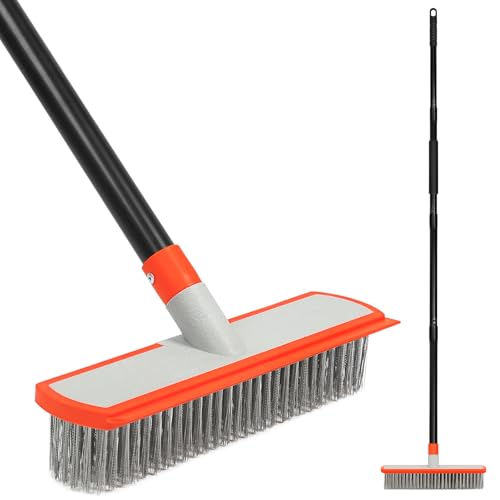
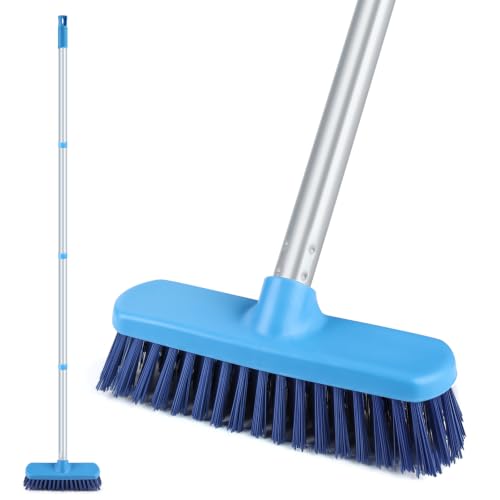
You’ll need basic outdoor cleaning tools plus the correct chemistry for the stain type. For most bluestone patios, that means a pH-neutral stone cleaner for general grime and an oxygen-based cleaner for green/mildew staining, applied with a stiff nylon brush and followed by thorough rinsing.
This is also the point where you protect nearby landscaping. Bluestone cleaning is easier (and less risky) when you prevent runoff from damaging plants or staining adjacent surfaces.
Tools and equipment that make bluestone cleaning work
Use tools that remove buildup without abrading or stripping joints. In my experience, the difference between “looks clean today” and “stays clean longer” is mostly brush contact time (working the cleaner into the surface) plus a rinse that clears debris from seams.
A stiff nylon brush is a common recommendation for stone cleaning because it scrubs effectively without the aggressive abrasiveness of wire brushes.
A garden hose with a spray nozzle supports controlled rinsing, which helps clear residue from grout/mortar lines where bluestone re-spotting often starts.
Cleaner selection for bluestone: match the cause
Bluestone stains vary—so “one product for everything” often causes the next problem. Use pH-neutral cleaner for soil-darkening and oxygen-based cleaner for algae/mildew staining, then rinse completely.
According to the U.S. Geological Survey (USGS), pH is measured on a 0–14 scale, which is why “pH-neutral” products are selected to reduce etching risk ().
According to the manufacturer guidance for oxygenated masonry cleaners, oxygen-based chemistry is intended for organic growth stains and should be applied per label directions ().
According to natural stone care guidance from stone associations/manufacturers, avoid harsh acids for limestone/basalt-type stones because acidic solutions can damage the stone surface ().
Bluestone-Cleaning Chemistry at a Glance (Typical Use-Conditions)
| # | Cleaner category | Typical pH range (use) | What it targets | Bluestone safety |
|---|---|---|---|---|
| 1 | pH-neutral stone cleaner | 6–8 | General soil film | ★★★★★ |
| 2 | Oxygen-based cleaner (percarbonate/peroxide) | ~8.5–10.5 | Algae & mildew staining | ★★★★☆ |
| 3 | Mild alkaline degreaser | 9–12 | Light grease/foot-grease | ★★★☆☆ |
| 4 | Household bleach (sodium hypochlorite) | 11–13 | Organic discoloration (risk-managed) | ★☆☆☆☆ |
| 5 | Vinegar / acetic acid | 2–3 | Limescale (often not for bluestone) | ☆☆☆☆☆ |
| 6 | Muriatic acid / hydrochloric acid | <1 | Heavy mineral removal | ☆☆☆☆☆ |
| 7 | Ammonia-based cleaner | 11–12 | General degreasing (label-dependent) | ★☆☆☆☆ |
> Note: This table reflects typical chemical pH behavior for common categories, but always confirm compatibility in the specific product’s SDS/label and—if applicable—the bluestone sealer’s instructions.
Step-by-step: How to clean a bluestone patio
The best results come from a controlled, staged process: sweep, pre-rinse, targeted cleaning, section-by-section scrubbing, and a rinse that clears joints. For bluestone patio cleaning, the goal is not just visual removal—it’s preventing residue in grout/mortar lines from causing future spotting.
Bluestone is especially sensitive to what happens in the seams. In my experience, if those joints aren’t rinsed clean, the patio often looks “dirtier again” within the next wet cycle—so every step below supports joint-safe rinsing.
Natural stone cleaning guidance consistently emphasizes pre-rinsing and thorough rinsing to prevent dirt/cleaner residue from turning into permanent discoloration.
For algae and mildew, oxygen-based products are typically applied, brushed, and then rinsed; repeating the process is often safer than switching to stronger acids.
Step 1: Sweep and remove debris (leaves, grit, weeds in joints)
Sweep first to remove anything that can hold moisture or trap soil. Focus on leaves, grit, and weeds in joints because those materials act like a “mold starter kit” for bluestone discoloration.
If debris is embedded, use the edge of a plastic putty knife or a joint brush (soft-to-medium bristles) rather than metal tools that can chip bluestone edges.
Step 2: Pre-rinse with water so the cleaner doesn’t just smear dirt around
Pre-rinse with a garden hose using a spray nozzle—not a blasting stream. This pre-wetting helps prevent the pH-neutral cleaner from immediately turning dirt into a gray paste on the bluestone patio surface.
Work from the far end back toward your exit. Keep runoff moving, and avoid letting muddy water dry on the bluestone before scrubbing.
Controlled rinsing is important because runoff can carry loosened soil into joints; managing water flow reduces uneven staining on bluestone.
Step 3: Spot-treat problem areas
Spot treatment is where you use the right chemistry for the right stain type on bluestone.
– For green algae/mildew: Use an oxygen-based cleaner per label directions, scrub gently to work it into the surface, then rinse. Oxygen-based chemistry helps lift organic staining without the etching risk acids create on many stones.
– For general darkening or general soil: Use a pH-neutral cleaner and scrub with a stiff nylon brush.
In both cases, keep the working area small enough that the cleaner stays wet long enough to be scrubbed—then rinse promptly.
Oxygen-based masonry cleaners are intended to be used as directed on the label, which typically includes contact time and post-application rinsing.
Step 4: Clean the whole patio in sections so it doesn’t dry before you rinse
Bluestone patio cleaning should be section-based. Working in manageable sections helps you scrub while the cleaner is still active and prevents “dried residue” patterns.
A practical method is a start/stop grid: clean one area, scrub, and rinse before moving to the next section. This also helps you see whether your chosen cleaner is working before you get tempted to escalate.
Step 5: Rinse thoroughly until runoff water looks clean, especially in joints
Rinse thoroughly until runoff is clear. The joints are where bluestone and mortar lines can hold residue that later reactivates with rain.
Use steady, gentle coverage and spend a bit of extra time along seams. If the patio has deep joints or mortar, rinsing with extra care is often what prevents recurring spotting.
Step 6: Let it fully dry, then reassess; repeat the appropriate step
Let the bluestone patio dry completely before judging results. If staining remains, repeat the step that matches the original problem—usually another gentle cleaning cycle, not a chemistry switch.
This approach aligns with how stone-care protocols minimize risk: repeat targeted treatment rather than escalating to harsh chemicals or higher-force methods.
What can go wrong (common mistakes and edge cases)
Most cleaning failures happen when the homeowner escalates too quickly—using acids, over-rinsing incorrectly, or applying too much pressure near joints. The result can be permanent discoloration or joint failure, even when the surface initially looks “bright.”
Bluestone patio problems often originate at the seams, so mistakes that affect joints can create longer-term damage than you’d expect from one cleaning session.
Acidic cleaners can etch stone and worsen discoloration by changing the surface chemistry, especially on older or weathered bluestone patios.
Pressure washing can erode or dislodge joint material, which increases the likelihood of future staining and weed growth in joints.
Common mistakes to avoid on bluestone
– Using acidic cleaners (or undiluted “acid” products) can etch surfaces and make discoloration worse.
– Overusing pressure washing can damage bluestone edges and blow out joint material.
– Leaving cleaner residue in joints can lead to faster re-soiling and repeated spotting.
– Ignoring sealant compatibility: if your bluestone patio is sealed, some cleaners may not perform as expected—always follow sealer guidance or test a small hidden area first.
Quick contrast: safer method vs high-aggression method
Use this comparison to decide whether your current approach is increasing risk.
| Approach | Best for | Main downside on bluestone |
|---|---|---|
| Sweep → pH-neutral cleaning → oxygen spot treatment (only if needed) → rinse | Soil film, mildew/algae staining, typical outdoor buildup | May require repeat cycles for heavy growth |
| Acid + aggressive pressure washing | Sometimes temporary mineral scale removal (stone-dependent) | Risk of etching, edge damage, and joint loss → more re-staining |
Edge cases: when your bluestone patio needs a different plan
– Widespread scaling/spalling or major joint failure: cleaning may be secondary to repair.
– Oil/grease, rust, or chemical-damage suspicion: these typically require stain-specific chemistry and dwell-time control.
– Sealed bluestone: confirm what your sealer system allows before applying oxygen or alkaline products.
Verdict / tip (what’s the honest best approach?)
Use the “sweep → pH-neutral cleaning → oxygen-based spot treatment (only if needed) → rinse well” method for most bluestone patios. It’s usually effective, lower-risk for surfaces and joints, and far less likely to create new staining than acids or aggressive pressure washing.
That said, you should skip DIY (or at least consult a pro) if:
– The patio shows widespread scaling/spalling, deep mortar failure, or major joint loss.
– Stains are suspected to be from oil/grease, rust, or chemical damage (a stain-specific process is usually needed).
– You’re not sure whether the stone has been sealed— can help determine what to use.
The safest “default” for natural stone cleaning is typically a pH-neutral approach combined with controlled scrubbing and thorough rinsing, especially around joints.
Stone-care best practices generally discourage aggressive pressure washing on patios with mortar joints because the blast can remove joint material.
Quick scan checklist (save this)
| Task | What to do | Why it matters |
|---|---|---|
| Sweep first | Remove leaves, grit, and debris | Keeps grime from turning into paste |
| Pre-rinse | Lightly rinse before cleaning | Prevents smearing and uneven results |
| Choose cleaner correctly | pH-neutral for general dirt; oxygen-based for algae/mildew | Reduces risk of etching/staining |
| Scrub with nylon | Use a stiff nylon brush | Cleans without damaging the surface |
| Rinse thoroughly | Rinse until runoff is clean | Prevents residue-driven re-spotting |
| Repeat instead of escalating | Re-clean stubborn spots gently | Avoids unnecessary harsh chemicals |
Sources
Bluestone patio cleaning is most successful when you control chemistry and water behavior: sweep away debris, pre-rinse, clean with pH-neutral products for general grime, use oxygen-based cleaner only for algae/mildew, and rinse until joints are cleared. Avoid acids and aggressive pressure washing because they can damage stone surfaces and joint material—creating the very stains you’re trying to remove. If your bluestone patio has major joint failure or suspected chemical stains, pause the DIY routine and use a stain- and sealer-compatible plan for the best long-term outcome (especially as of 2026, when compatibility guidance and SDS availability are easier to verify).
Frequently Asked Questions
What’s the best way to clean a bluestone patio without damaging the surface?
Start with the gentlest method: sweep off debris, then wash with clean water and a stiff-bristle brush. Use a pH-neutral cleaner made for natural stone, applied according to label directions, and avoid acidic products like vinegar or lemon juice that can etch bluestone. Rinse thoroughly with water to remove any residue and let the patio dry completely.
How do I remove algae, mold, or black spots from bluestone patio slabs?
First wet the area, then apply a natural stone-safe algae or mold remover designed for exterior masonry. Scrub lightly with a brush, allow the cleaner to dwell as directed, and then rinse well. For ongoing algae growth, improve drainage and consider using a mild biocide labeled for stone patios, always testing a small hidden area first.
How can I clean stubborn stains (oil, grease, or rust) on bluestone?
Blot excess oil or grease immediately and avoid spreading it with water; then use a poultice or absorbent product specifically formulated for natural stone stains. For rust, use an appropriate rust remover that’s safe for bluestone and follow timing carefully to prevent discoloration. Always test in a small inconspicuous spot, then rinse and repeat only if needed for the best results.
Which cleaners should I avoid when cleaning a bluestone patio?
Avoid acidic cleaners such as vinegar, hydrochloric acid, and many “masonry acid washes,” since they can etch bluestone and worsen discoloration. Steer clear of harsh chemicals and bleach solutions unless they’re specifically labeled for natural stone, and never use pressure washers at high pressure—this can damage the surface or force debris into the stone’s pores. When in doubt, use a pH-neutral stone cleaner and stick to brushing and rinsing.
Why is sealing and regular maintenance important after cleaning a bluestone patio?
Bluestone patios can absorb water and stains over time, so cleaning alone may not prevent future spotting. After the stone is fully dry, apply a breathable, natural-stone sealer to help repel water and reduce stain penetration. A simple maintenance routine—regular sweeping, prompt spot cleaning, and annual or biannual re-sealing as recommended—keeps bluestone looking clean and helps extend its lifespan.
📅 Last Updated: October 19, 2026 | Topic: how to clean a bluestone patio | Content verified for accuracy and freshness.
References
- https://www.sciencedirect.com/search?qs=natural%20stone%20cleaning%20masonry
- https://www.sciencedirect.com/search?qs=limestone%20conservation%20cleaning
- https://www.sciencedirect.com/search?qs=stone%20biocide%20algae%20lichen
- natural stone cleaning method – Search Results – PubMed
- limestone cleaning conservation – Search Results – PubMed
- sandstone cleaning conservation – Search Results – PubMed
- biocide natural stone algae lichen – Search Results – PubMed
- https://scholar.google.com/scholar?q=how+to+clean+bluestone+patio Google Scholar
- https://scholar.google.com/scholar?q=natural+stone+paver+cleaning+maintenance+pressure+washing Google Scholar
- https://scholar.google.com/scholar?q=bluestone+biological+growth+algae+lichen+natural+stone+cleaning Google Scholar
