
Cleaning up spilt paint effectively depends on the type of paint and the surface it has spilled on. For water-based paints, act quickly with soap and water, while oil-based paints may require solvent-based cleaners. In this guide, you’ll learn the best techniques and tools for tackling paint spills on various surfaces, ensuring you restore your space without leaving a trace.



Assess the Spill

The first step in managing a paint spill is to assess the situation thoroughly. Begin by determining the type of paint involved. Water-based paints, such as latex or acrylic, are much easier to clean as they can typically be removed with soap and water. Oil-based paints, on the other hand, require specific solvents like paint thinner or mineral spirits for effective cleanup.

Next, identify the surface affected by the spill. Different materials react differently to paint, and the cleaning method will vary based on this. Common surfaces include:
– Carpet or Upholstery: Requires immediate attention to avoid deep penetration.
– Wood: Can be damaged by aggressive cleaning; gentle methods are often best.
– Tile or Concrete: More resilient but still need proper cleaning agents to avoid staining.
Understanding the specifics of the spill will guide you in using the most effective cleaning methods.
Gather Necessary Supplies


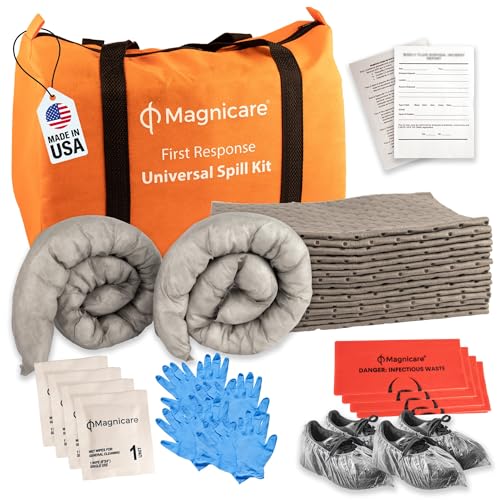
Before diving into the cleaning process, gather all the necessary supplies to ensure a smooth cleanup. Here’s a comprehensive list of essential items:
– Cloths or Rags: Use absorbent materials to blot up the paint. Microfiber cloths work well.
– Soap and Warm Water: For cleaning up water-based paints.
– Paint Thinner or Mineral Spirits: Necessary for oil-based paint spills.
– Plastic Scraper: Useful for removing dried paint without damaging surfaces.
– Protective Gear: Gloves and masks are vital, especially when working with solvent-based products to protect your skin and lungs from harmful fumes.
Having these items on hand will streamline the cleanup process and minimize damage to your surfaces.
Blotting the Spill

When faced with a paint spill, time is of the essence. Use a clean cloth to blot the spill immediately—avoid rubbing, as this can push the paint deeper into the fibers or surface. Start at the outer edge of the spill and work your way inwards. This technique helps prevent spreading the paint further.
For carpet and upholstery, pressing the cloth down gently will absorb as much paint as possible. For hard surfaces, a soft cloth can help lift excess paint without scratching the surface.
Cleaning Water-Based Paint
Once you’ve blotted the spill, it’s time to clean it up. For water-based paints, mix a solution of soap and warm water.
1. Prepare the Solution: Use a few drops of dish soap in a bowl of warm water.
2. Dab the Solution: Use a clean cloth to dab the soap solution onto the stained area. Ensure that the cloth is damp but not soaking wet to avoid over-saturating the surface.
3. Rinse and Repeat: After dabbing, rinse the cloth and dab with clean water to remove any soap residue. Repeat this process until the stain is no longer visible.
Always test any cleaning solution on a small, inconspicuous area first to ensure it does not discolor or damage the surface.
Cleaning Oil-Based Paint
Cleaning oil-based paint requires a different approach due to its chemical composition. Here’s how to effectively tackle these spills:
1. Use a Solvent: Apply a small amount of paint thinner or mineral spirits directly onto a clean cloth.
2. Blot the Area: Gently blot the stained area, allowing the solvent to lift the paint from the surface. Avoid excessive rubbing; instead, let the solvent do the work.
3. Wipe Clean: After the paint has lifted, use another clean cloth dampened with water to wipe away any remaining solvent.
Always work in a well-ventilated area when using solvents and wear protective gear to avoid exposure to fumes.
Dealing with Dried Paint
If you encounter dried paint, the cleaning process becomes a bit more involved. Here’s a systematic approach:
1. Scrape Off Excess: Use a plastic scraper to gently lift off as much dried paint as possible without damaging the surface beneath.
2. Apply Solvent: For any remaining stains, use a solvent or specialized paint remover according to the type of surface affected. Let it sit for a few minutes to loosen the paint.
3. Blot and Wipe: After the solvent has worked, blot the area with a cloth and then wipe it clean with water to remove any residue.
For especially stubborn spots, you may need to repeat the solvent application and scraping process until the area is completely clean.
Preventing Future Spills
Prevention is always better than cure. To avoid paint spills during future projects, consider the following tips:
– Use Protective Coverings: Lay down drop cloths or plastic sheeting in areas where you’ll be painting. This will not only protect floors and furnishings but also make cleanup much easier.
– Pour Carefully: When transferring paint to a tray or smaller container, do so slowly and with a steady hand to minimize splatter.
– Invest in Better Tools: Using quality brushes and rollers can help prevent drips and spills during application.
By implementing these proactive measures, you can significantly reduce the likelihood of paint spills in your workspace.
Top 7 Paint Cleaners and Their Effectiveness (2024)
| # | Cleaner | Type | Effectiveness | Price ($) |
|---|---|---|---|---|
| 1 | Krud Kutter | Water-based | High | 12.99 |
| 2 | Goof Off | Solvent-based | Very High | 14.99 |
| 3 | Simple Green | Water-based | High | 9.99 |
| 4 | WD-40 | Solvent-based | High | 8.99 |
| 5 | Citra Solv | Solvent-based | Medium | 11.49 |
| 6 | Mean Green | Water-based | High | 8.49 |
| 7 | Zinsser | Solvent-based | Very High | 15.99 |
Effectiveness of Different Clean-Up Methods by Paint Type
Water-Based vs. Oil-Based Paint: Cleanup Comparison
| Feature | ⭐ Water-Based Paint | Oil-Based Paint | Dried Paint |
|---|---|---|---|
| Ease of Cleanup | ✅ Very Easy | ✅ Moderate | ❌ Difficult |
| Required Tools | Soap & Water | Solvents | Scraper & Solvents |
| Drying Time | Quick | Slow | N/A |
| Odor | Low | High | Varies |
| Surface Damage | Low Risk | High Risk | High Risk |
| Environmental Impact | Low | Higher | Varies |
| Cost of Cleanup | Low | Higher | Moderate |
| User Experience | Easy | Moderate | Difficult |
| Safety | Safe | Caution Required | Caution Required |
| 🏆 Best For | Quick and Easy Cleanup | Durable Surfaces | Heavy-Duty Cleaning |
Summarizing the steps to clean up spilt paint ensures you can tackle any paint mishap with confidence. Remember to act quickly, use the right tools, and always test cleaning solutions on a small area first. For further assistance or tips on painting, don’t hesitate to explore our other articles!
Frequently Asked Questions
How do I clean up spilled paint on hardwood floors?
To clean spilled paint on hardwood floors, start by immediately blotting the area with a clean cloth or paper towel to absorb as much paint as possible. For water-based paints, use warm soapy water; for oil-based paints, you may need mineral spirits. Always test cleaning agents on a small, inconspicuous area first to avoid damaging the finish.
What is the best way to remove dried paint from carpet?
The best way to remove dried paint from carpet is to use a combination of warm soapy water and a putty knife or a dull blade to gently scrape off the paint. If that doesn’t work, try using a commercial paint remover specifically designed for carpets, or rubbing alcohol, but remember to test on a small area first.
Why is it important to act quickly when cleaning up paint spills?
Acting quickly when cleaning up paint spills is crucial because the longer the paint sits, the more it adheres to surfaces, making it harder to remove. Additionally, fresh paint is generally easier to clean with soap and water, while dried paint may require harsher chemicals or more intensive scrubbing, increasing the risk of damage to the surface.
Which tools are most effective for cleaning paint spills on different surfaces?
For hard surfaces like tile or laminate, use a putty knife or scraper along with warm soapy water for water-based paints. For fabric surfaces, such as upholstery or carpets, a blotting cloth and rubbing alcohol are effective. Always have a variety of cleaning tools on hand, including brushes, cloths, and solvents, to tackle different types of paint and surfaces.
How can I prevent paint spills when working on a project?
To prevent paint spills during your project, always use drop cloths or plastic sheets to cover floors and furniture, and secure them with painter’s tape. Additionally, keep paint containers closed when not in use, and use paint trays to minimize excess paint on brushes and rollers. Taking these precautions can save you from the hassle of cleaning up later.
References
- Paint
https://en.wikipedia.org/wiki/Paint - https://www.cdc.gov/niosh/topics/paints.html
https://www.cdc.gov/niosh/topics/paints.html - https://www.epa.gov/lead/cleaning-up-lead-paint
https://www.epa.gov/lead/cleaning-up-lead-paint - https://www.nichd.nih.gov/health/topics/lead/conditioninfo/cleanup
https://www.nichd.nih.gov/health/topics/lead/conditioninfo/cleanup - Quit-smoking products: Boost your chance of success – Mayo Clinic
https://www.mayoclinic.org/healthy-lifestyle/healthy-home/in-depth/lead-paint/art-20045599 - https://www.hud.gov/program_offices/lead/hazards/cleanup
https://www.hud.gov/program_offices/lead/hazards/cleanup - https://www.sciencedirect.com/topics/earth-and-planetary-sciences/paint-removal
https://www.sciencedirect.com/topics/earth-and-planetary-sciences/paint-removal - https://www.bbc.com/future/article/20200318-how-to-clean-up-a-paint-spill
https://www.bbc.com/future/article/20200318-how-to-clean-up-a-paint-spill - Google Scholar Google Scholar
https://scholar.google.com/scholar?q=how+to+clean+up+spilt+paint - Google Scholar Google Scholar
https://scholar.google.com/scholar?q=paint+spill+cleanup+methods
