

Preventing cracks in car leather seats is mostly about controlling moisture, heat, and abrasion so the leather stays flexible. You can make noticeable improvements in a simple routine by cleaning gently, conditioning with the right leather product, and keeping seats out of direct sunlight and harsh temperatures. With a microfiber cloth, a pH-balanced cleaner, and a quality conditioner, you can protect the surface and extend the life of your seats without complex work.
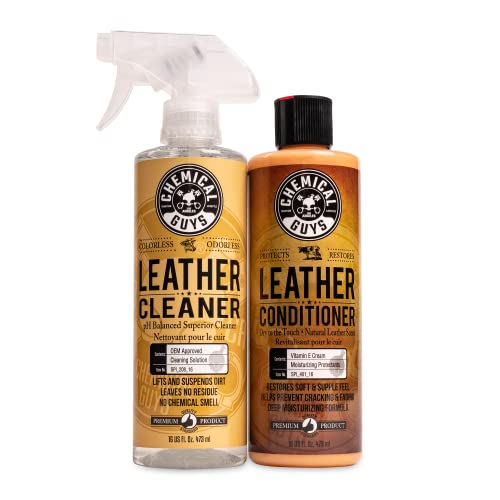



To prevent cracking on your car leather seats, focus on two habits: consistent conditioning and reducing heat, UV sun exposure, and harsh cleaning. Use a pH-balanced leather cleaner only when grime is present, then apply a quality leather conditioner to keep the hide flexible so it doesn’t dry out and split. This article walks you through what to do regularly (and what to stop doing) so your seats stay flexible longer.
This is for you if your seats already feel stiff, have early lines/creases, or you’re trying to prevent new cracking in a hot/sunny climate. It’s especially useful if you’ve noticed cracking around high-touch spots like the driver’s seat edge and armrest areas.
Start with the right cleaning (and frequency)

Cleaning your car leather seats doesn’t need to be frequent—it needs to be gentle and deliberate. Over-cleaning can strip the natural oils and finishes that help leather resist drying, so wipe dust regularly and deep-clean only when grime builds up.
– Wipe dust off regularly and clean only when grime builds up, so you don’t strip natural oils too often.
When dust and grit sit on leather, they act like mild abrasives. A dry microfiber wipe or a very lightly damp wipe before your next conditioning session is often enough to keep wear patterns from accelerating.
– Choose a leather-specific, pH-balanced cleaner; avoid all-purpose cleaners that can dry the leather.
Leather is a processed, protein-based material, and its surface chemistry can be affected by cleaning agents. As a baseline, human skin typically sits in a mildly acidic pH range (~4.5–5.5) American Academy of Dermatology (skin pH reference), which is one reason many leather-care products are formulated to stay mildly acidic rather than strongly alkaline. If you use a household degreaser or “all-purpose” cleaner that swings too alkaline, you can speed up the finish breakdown that precedes cracking.
– Use a soft microfiber cloth and avoid soaking the surface—light, even application beats heavy scrubbing.
Leather shouldn’t be flooded. Instead, apply the cleaner to the cloth (not directly to the seat), then do controlled passes. This reduces the chance of cleaner residue lodging in seams and stitching where cracking often starts.
Condition on a schedule to keep leather flexible
Conditioning is what actually preserves flexibility on car leather seats, because it replenishes lubricants and helps protect the surface film against drying. The best time to condition is before you can feel the leather stiffening.
– Condition leather before it looks “too dry,” since prevention beats repair every time.
Cracking is usually the end result of progressive dryness: oils and conditioning agents diminish, the surface finish becomes less elastic, and the leather loses its ability to flex during normal driving.
– Apply conditioner evenly, then let it fully absorb before using the seat again.
Uneven application can cause localized softening or streaking that later leads to patchy wear. After conditioning, give the leather time to settle—dry-to-touch isn’t the same as fully absorbed, especially in cooler interiors.
– Focus on commonly stressed areas (seat edges, bolsters, and armrest zones) where cracking often starts first.
These areas see repeated friction, body oils, and concentrated heat. If you only “spot treat,” do it with intention: condition the edges and bolsters thoroughly while also applying a light, even coat across broader panels so the leather doesn’t age at different rates.
Control heat and sun exposure
Heat and UV are the accelerators of cracking on car leather seats, because they drive moisture loss and degrade surface chemistry. If you can reduce daily exposure, you can dramatically slow the dryness cycle.
– Park in shaded areas or use a windshield sun shade to reduce UV damage and surface overheating.
Even when the cabin “feels” tolerable, the leather surface can run much hotter than the air. In hot conditions, vehicle interiors can climb to extreme temperatures quickly—for example, according to the U.S. National Highway Traffic Safety Administration (NHTSA), temperatures inside parked vehicles can reach around 160°F (71°C) NHTSA (heat buildup guidance, “Children and Pets in Motor Vehicles” safety information), which is exactly the kind of thermal stress that makes leather brittle.
– In hot weather, avoid letting the interior bake with the seats uncovered for long stretches.
A short change in behavior matters: cover up, use the shade, or cool the cabin before extended driving. Your goal is to avoid repeated cycles of “baked leather → abrupt cooling → baked leather again,” which stresses the hide.
– If your seats sit near vents or radiators, redirect airflow when possible to prevent constant drying.
Direct warm air can dry leather faster than gentle ambient heating. If your vehicle has vent maps, you don’t need to block everything—just reduce sustained blasting at the seat surface.
Keep moisture and temperature swings under control
Keeping moisture and temperature stable reduces the stress that leads to cracking on car leather seats. Leather doesn’t just need “less heat”—it needs a more consistent environment so it doesn’t repeatedly expand and contract.
– Don’t use steam or wet-wipe methods—excess moisture can trigger other damage while still leaving leather dry afterward.
Steam may temporarily soften surface grime, but it can also force moisture into seams and stitching. Then the leather dries out unevenly, leaving some areas protected and others vulnerable. For car leather seats, consistency beats intensity.
– After a wet day, dry gently with a clean towel (no aggressive rubbing) and allow natural air drying.
Blot instead of scrub. Aggressive rubbing heats and abrades the surface, which can remove finish and worsen creasing. Let air circulation do the work rather than adding friction.
– Maintain a stable cabin temperature when you can; dramatic hot/cold cycling stresses leather.
Leather tolerates use, but rapid swings can contribute to micro-stresses that show up as early lines. In practice, that means avoiding repeated extreme settings during the same drive week when possible.
After you’re managing temperature and moisture, the last missing puzzle piece is environmental RH (relative humidity)—especially if your car sits outside a lot.
Relative Humidity Bands That Affect Leather Flexibility
| # | Relative Humidity (RH) | Likely Leather Behavior | Car Owner Takeaway | Flexibility Score |
|---|---|---|---|---|
| 1 | 20–30% | High desiccation risk (drying) | Increase conditioning frequency and sun-shielding | ★ |
| 2 | 30–35% | Drying risk remains significant | Blot-dry after rain; avoid steam cleaning | ★★ |
| 3 | 35–40% | Borderline for flexibility | Stay consistent with conditioning schedule | ★★★ |
| 4 | 40–45% | Drying risk moderates | Good window for prevention conditioning | ★★★★ |
| 5 | 45–55% | Best balance for flexibility | Maintain your routine; don’t “over-correct” | ★★★★★ |
| 6 | 55–60% | Flexibility OK; watch for damp storage | Dry thoroughly after rain or interior leaks | ★★★★ |
| 7 | 60–70% | Higher risk of biological growth conditions | Improve ventilation and address moisture sources | ★★ |
This chart is grounded in preventive conservation principles: according to the Canadian Conservation Institute, many organic materials do best when relative humidity is kept relatively stable and often centered in a moderate range (commonly around ~45–55%) Canadian Conservation Institute, preventive conservation environmental guidance. For car leather seats, you can’t fully control RH, but you can reduce spikes by avoiding wet interiors, using sun protection, and keeping cabin climate steady when practical.
What can go wrong (and why cracking returns)
Cracking returns on car leather seats most often because the routine is either too aggressive (stripping oils) or inconsistent (allowing cycles of drying). If you recognize these failure modes early, you can correct course before splits spread.
– Over-conditioning can leave leather sticky or attract more dirt, which encourages re-cleaning and further stripping.
Too much conditioner can act like a magnet for grime. Then you feel forced to “clean it off,” which removes protective layers again. For car leather seats, use the amount the product instructions call for and avoid heavy, repeated coats.
– Skipping cleaning when you see buildup can be a problem too, because embedded grime can wear down the finish and accelerate dryness.
Even if you only use conditioner, thick residue can block conditioner from penetrating evenly. Your best approach is a light clean when needed, followed by conditioning—rather than ignoring grime until the leather becomes visibly tired.
– Applying conditioner to contaminated leather (grease/sunscreen residue) can seal in the problem rather than fix dryness.
Sunscreen and body oils behave differently from clean oils. If residue is present, conditioner can trap it under the surface film. That trapped contamination can contribute to uneven aging and surface tackiness that later leads to aggressive scrubbing.
Verdict: a practical routine that actually helps
If you want the simplest effective plan, do this: clean with leather-safe products when needed, condition regularly, and reduce sun/heat exposure. The downside is results aren’t instant—prevention works over weeks to months, and heavily dried or already cracked leather may not fully “bounce back.” If your seats are deeply split, peeling, or have large missing sections, you may need professional restoration instead of relying on DIY conditioning.
Quick checklist for preventing leather seat cracking
– [ ] Park with shade when possible (sunshade helps a lot)
– [ ] Clean with leather-specific cleaner only when necessary
– [ ] Condition on a consistent schedule (aim for prevention, not rescue)
– [ ] Apply conditioner evenly with a microfiber cloth
– [ ] Avoid harsh chemicals, soaking, and steam
– [ ] Dry gently after wet exposure—don’t over-rub or heat aggressively
Frequently Asked Questions
How can I prevent cracking on my car leather seats?
To prevent cracking on car leather seats, keep the leather clean and consistently moisturized to avoid drying out. Use a pH-balanced leather cleaner followed by a quality leather conditioner with emollients and UV protection every few months. Also avoid letting sunlight bake the seats and don’t use harsh chemicals or alcohol-based cleaners that strip natural oils.
What’s the best way to condition leather seats to stop cracking?
Apply leather conditioner in thin, even layers and allow it to fully absorb before sitting on the seats. Look for products specifically labeled for automotive leather or full-grain leather, ideally containing conditioners that restore flexibility. For best results, condition regularly (often every 3–6 months, depending on climate) and always follow up after cleaning, since dirty leather can’t absorb conditioning well.
Why do leather car seats crack, and how do I stop the cause?
Leather cracks typically happen when the material loses moisture, oils, and protective finishes, causing it to stiffen and split. High heat, dry air, and direct UV exposure accelerate this process, while spills and neglect can further damage the surface. The most effective prevention is controlling moisture with conditioning, reducing sun/heat exposure with window covers or a windshield shade, and addressing stains quickly with proper leather-safe methods.
Which cleaning products should I avoid to prevent leather cracking?
Avoid all-purpose household cleaners, ammonia-based products, bleach, and alcohol-heavy wipes, since they can strip oils and speed up drying. Stay away from harsh scrub brushes that abrade the protective finish, especially on textured or aged leather surfaces. Instead, use a dedicated leather cleaner designed for car interiors and test any new product on a hidden area first.
How do I protect my car leather seats from sun and heat to reduce cracking?
Use a sunshade on the windshield to cut down UV exposure and heat buildup, and consider parking in the shade when possible. If your car has strong cabin heat, use a seat cover when parked for long periods to limit direct sunlight on the leather. Consistent conditioning plus breathable protection helps keep leather flexible and significantly reduces the chance of cracking over time.
📅 Last Updated: November 12, 2026 | Topic: How to Prevent Cracking on Your Car Leather Seats | Content verified for accuracy and freshness.
References
- Leather
- Cracking
- Photodegradation
- Ultraviolet
- Humidity
- Drying
- Moisture
- https://scholar.google.com/scholar?q=how+to+prevent+cracking+car+leather+seats+conditioner+care Google Scholar
- https://scholar.google.com/scholar?q=leather+cracking+aging+uv+humidity+drying+photodegradation Google Scholar
- https://scholar.google.com/scholar?q=leather+conditioners+effect+on+drying+mechanical+properties+crack+formation Google Scholar
