

If you notice your truck bed cover feels tacky, looks cloudy, or water no longer beads the way it used to, it is usually a sign that dirt, residue, and grime have built up beyond routine wiping. That matters because trapped contaminants can degrade vinyl, rubber seals, and coatings over time. In the next sections, you will learn the clearest signs to watch for and what a proper deep clean should address so the cover protects your cargo again.


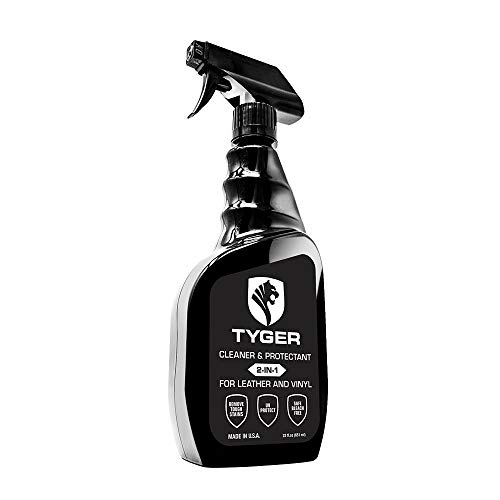

If your truck bed cover feels gritty, looks dull, or starts smelling musty with dark spots, it’s time for a deep clean—not just a quick wipe. The fast answer: focus on the seams, corners, and rubber seals first, because that’s where grime, road film, and moisture collect and come back even after surface-level cleaning.
If you routinely drive in rain/snow, haul dusty materials, or you notice your truck bed cover no longer “repels” water the way it used to, these are usually the earliest clues. This is especially common with roll-up, hard folding, and tonneau covers that rely on rubber gaskets or perimeter seals.
This guide is for truck owners who want their bed covers to keep working as designed—whether your goal is better water shedding, cleaner storage for tools, or simply avoiding mildew recurrence. It’s also geared toward anyone who’s tried a quick rinse before and still ends up with dark edges or an unpleasant odor months later—problems that are almost always about what’s happening at the seams, not the center panel.
1) Sticky residue, dull finish, and visible build-up

A deep clean is warranted when the truck bed cover feels tacky or looks unevenly dull even after a rinse. That “sticky” sensation is often a sign that oils, road film, and residues from waxes, lubricants, or protectants are binding to the cover’s surface texture.
Here’s what to look for on your truck bed cover:
– A surface that feels tacky (even after rinsing) often means oils and chemical residues are building up, not just loose dust.
– A dull or patchy finish instead of a uniformly clean look can mean contaminants are embedded into the cover material’s pores or micro-texture.
– The underside edges, perimeter, and around mounting points are high-risk zones. Grit collects there and then re-deposits onto the visible top when you drive or wash.
For context, many truck bed covers use materials that tolerate normal washing but are not designed to be “decontaminated” by harsh degreasers. If your truck bed cover is matte-finished or has a textured coating, embedded film can become noticeably worse after repeated light cleanings.
2) Water behavior changed: beading unevenly or pooling
A deep clean is needed when your truck bed cover stops shedding water evenly—beading becomes patchy, or water starts crawling and pooling. This usually indicates that the surface protection layer is clogged with grime, or that contamination is blocking runoff paths at the seals and corners.
When water behavior changes on a truck bed cover, it often shows up like this:
– Water sheets or beads inconsistently after washing (instead of forming uniform droplets).
– Water spreads in streaks that look “dirty,” even right after rinsing—often meaning residue is still present.
– Water collects near rubber seals, front/back corners, or perimeter channels. Those areas are where moisture intrusion starts and then persists.
– In wet conditions, pooling increases the likelihood of mildew growth and corrosion on nearby metal hardware (brackets, clamps, fasteners).
A practical rule for your truck bed cover: if water doesn’t behave the way it did right after you cleaned it last time, assume contamination is still there—especially if you can see dark staining at edges.
3) Musty odors, mildew spots, and discoloration
Deep cleaning is required when you detect a musty odor or you see mildew specks and dark staining on your truck bed cover. These symptoms point to moisture staying in seams, folds, textured materials, or under perimeter gaskets where air circulation is limited.What to check on your truck bed cover (in the same order you’d troubleshoot it):
– Smell test: a musty scent is a classic cue that moisture has been sitting in seams or on textured materials.
– Visual scan: speckling, faint gray/green blotches, or dark streaks near stitching, folds, and edges.
– “Mostly clean” can still be actively contaminated: mildew can remain active under grime and reappear quickly after a light wash.
Mold and mildew are strongly driven by moisture conditions. According to the U.S. Centers for Disease Control and Prevention (CDC), mold can begin growing within 24–48 hours after water damage (2024) CDC (2024). The CDC also notes that indoor mold growth is associated with elevated humidity, and that maintaining humidity around 30–50% helps reduce mold growth risk (2024) CDC (2024).
Moisture Control Targets That Help Prevent Mold on Truck Bed Covers (CDC Guidance, 2024)
| # | Moisture Control Metric | Target / Guidance | Why it Matters for a Bed Cover | Mold Risk Level |
|---|---|---|---|---|
| 1 | Humidity range to suppress growth | 30–50% RH | Keeps seams and gasket channels less hospitable | Low |
| 2 | Moisture after water exposure | Dry quickly (24–48 hrs) | Reduces the window where mildew can establish | Low |
| 3 | Time for mold to begin after water damage | 24–48 hours | Motivates prompt rinsing and full drying | Higher |
| 4 | Follow-up after cleaning | Ensure complete drying | Prevents “hidden” moisture from restarting mildew | Low |
| 5 | Drying speed after washing | Same-day drying preferred | Limits time moisture sits in gasket channels | Low |
| 6 | Moisture source removal | Fix water intrusion routes | Cleaning helps, but sealing gaps stops recurrence | Low |
| 7 | Avoid leaving wet materials in place | Don’t store damp | Keeps mildew from re-forming after a “clean” | Higher |
4) Seals, hinges, and latches feel gritty or start sticking
A deep clean is usually the right move when the truck bed cover’s rubber seals feel gritty, tacky, swollen, or when latches/hinges feel sticky. In these cases, dirt is mixing with moisture right where the cover needs to move smoothly and seal tightly.
On a truck bed cover, this often looks like:
– Rubber seals that feel tacky or uneven after driving in wet weather.
– Latches or hinges that feel sluggish, rough, or squeak more than usual.
– Seal alignment that seems “off,” which can let debris and water migrate into seam areas.
Don’t treat this as purely cosmetic. Once a seal surface gets contaminated, it can stop shedding water properly—meaning you clean the top again and the problem stays active underneath.
5) How to do a deep clean (without damaging the cover)
A deep clean of your truck bed cover is safest when you remove loose dirt first, use mild, material-appropriate cleaners, and then dry thoroughly. The goal is to lift contamination from seams and rubber grooves without grinding grit deeper or damaging finishes.

Start with dry removal: Brush off loose dust and debris before water/cleaner. This step matters because grit that’s already on the truck bed cover can act like sandpaper when you start scrubbing.
Use the right cleaner for the material:
– Painted or metal truck bed covers: use a pH-balanced car wash soap or the cleaner your cover manufacturer recommends.
– Vinyl/fabric/composite covers: use mild cleaners and soft tools. Avoid harsh solvents and strong chemical degreasers that can strip protection layers or harden rubber.
Work top to edges to seams: Scrub the highest-risk zones first—corners, folds, seal grooves, and mounting points. For many truck bed covers, these are the areas you can feel are “gritty” even when the center looks okay.
Rinse thoroughly, then dry: Residue left behind can keep the truck bed cover feeling slick/sticky, attract dirt faster, and increase the odds of mildew returning. Drying is also part of moisture control.
As of 2026, the most consistent approach still aligns with a risk-based maintenance workflow: reduce contamination, protect the surface, and eliminate lingering moisture.
> Note: Always follow your cover’s manual for material-specific do’s/don’ts, especially for matte finishes and vinyl. If you’re unsure what your truck bed cover is made of, check the manufacturer label or documentation.
Quick comparison: which cleaning method best fits your truck bed cover?
| Feature | Quick Wipe-Down | Deep Clean (Soap + Soft Brush) | Pressure Wash (Close Range) |
|---|---|---|---|
| Removes embedded grime in seams | Low | High | Uncertain / Risky |
| Safe for rubber perimeter seals | Medium | High | Lower |
| Improves water beading after cleaning | Sometimes | Usually | Sometimes worsens if residues spread |
| Reduces musty odors | Low | High | Higher risk of moisture retention |
| Time investment | Low | Medium | Medium |
| Risk of scratching matte/textured finishes | Low–Medium | Low (with soft tools) | Medium–High |
| Risk of pushing water into seams/hinges | Low | Low–Medium (controlled rinse) | High |
| Best for road dust only | High | Medium | Low |
| Helps stop recurrence of edge staining | Low | High | Uncertain |
| Drying requirement after cleaning | Minimal | High | High |
| Best For | Quick maintenance | Odor + pooling + dull film | Only if manufacturer explicitly allows it |
6) What can go wrong (and common mistakes to avoid)
A deep clean goes wrong when people treat a truck bed cover like an engine bay—using abrasives, aggressive degreasers, or pressure that drives water into seams. The fastest way to cause recurring mildew, smeared residue, or damaged finishes is to skip the “material-first” approach.
Avoid these common mistakes on your truck bed cover:
– Abrasive pads or aggressive degreasers: They can scratch finishes, haze matte coatings, or dry out rubber seals.
– Pressure washing too close: High-pressure water can force grime (and sometimes water) deeper into seams, under edges, and into hinge areas where it stays.
– Mixing chemicals: Don’t combine cleaners (especially bleach-based products) unless the labels explicitly say it’s safe. Some combinations can damage surfaces and create irritating fumes.
– Skipping thorough rinsing: Soap residue can remain invisible but feel tacky later, attract more dirt, and reduce water beading.
– Leaving the truck bed cover damp after cleaning: If you clean and then leave moisture in seams, mildew risk can actually increase.
These issues are consistent with moisture control principles: according to CDC guidance, mold risk increases when materials stay damp, and mold can begin developing within 24–48 hours after water damage (2024) CDC (2024).
7) Verdict: Deep-clean now if you see multiple signs (and use this quick checklist)
Deep clean your truck bed cover now if you’re seeing more than one red flag at the same time—like tacky residue plus water pooling, or odor plus mildew specks. Here’s why: when contamination is embedded in seams and seal grooves, a light wipe won’t remove the moisture-friendly buildup that keeps the problem returning.
A deep clean has real upsides: better sealing performance, improved water shedding, and easier future maintenance. The tradeoffs are time and the need for careful product choice—especially for matte finishes, vinyl covers, and tonneau systems with rubber perimeter seals.
Skip (or seek manufacturer guidance first) if:
– You can’t confirm the truck bed cover material and there’s no documentation available.
– The truck bed cover is visibly damaged (tears, cracked seal channels, missing gaskets) where cleaning won’t solve the root cause.
– You suspect electrical issues with integrated accessories (lights/actuators) and aren’t sure how to clean around them safely.
Quick scan checklist (save this)
| Sign you notice | Likely meaning | What to do next |
|---|---|---|
| Sticky/tacky feel | Oil/road film buildup | Brush off loose dirt, then deep clean with mild soap |
| Dull/patchy look | Embedded grime or residue | Clean thoroughly, rinse well, dry completely |
| Musty smell | Moisture trapped in seams | Target corners/seams; focus on drying afterward |
| Mildew specks/stains | Active mildew growth | Use mild cleaner; avoid harsh chemicals unless labeled safe |
| Water pools near edges | Seals/corners holding grime | Clean seal grooves and edges; check seal condition |
| Latches/hinges gritty | Dirt mixing with moisture | Clean around hardware; don’t force mechanisms |
| Criteria | Deep-clean now | Wait / quick wipe |
|---|---|---|
| Musty odor present | Yes | No |
| Visible mildew specks or dark blotches | Yes | No |
| Tacky feel after rinsing | Yes | No |
| Water pooling near seals/corners | Frequent | Rare |
| Water beading noticeably worse than before | Yes | No |
| Gritty seal grooves or swollen rubber feel | Yes | No |
| Latch/hinge sticking or rough movement | Yes | No |
| Staining returns within weeks after light cleaning | Yes | No |
| You drive in heavy rain/snow or haul dusty materials | Often | Occasionally |
| You can feel contamination in seams/edges | Yes | No |
| Verdict | Deep-clean now | Quick wipe until you see multiple signs |
If you’re seeing sticky residue, changed water behavior, or any musty odor/mildew, that’s your cue to deep-clean the truck bed cover—starting at the seams and finishing with a thorough rinse and complete drying. After that, do a quick monthly wipe-down to prevent grime from embedding again. If the signs come back quickly even after a careful clean, inspect the rubber seals and perimeter gaskets and follow manufacturer guidance, because the underlying cause may be compromised sealing or persistent moisture intrusion.
Frequently Asked Questions
What are the common signs your truck bed cover needs a deep clean?
If you notice a dull, sticky film, visible grime in seams, or dirt that won’t wash off with a quick rinse, it’s usually time for a deep clean. Other signs include squeaky or stiff bed cover movement, water pooling or beading that suddenly decreases, and musty odors trapped in vinyl, canvas, or coated surfaces. Heavy road tar, pollen buildup, and residue around rails and weather seals are also strong indicators that deeper cleaning is needed.
How do you tell if dirt buildup is affecting your truck bed cover seals?
Check the edges and corners where the bed cover meets the truck rails and around the weather stripping. If you see debris packed into the grooves, flattened rubber seals, or gaps that look uneven after the cover is closed, grime may be preventing proper contact. You may also notice leaks, condensation, or damp cargo even after a normal wash, which often points to seal contamination that only a deep clean can remove.
Why does a dirty truck bed cover start to smell or get harder to open?
Dirt and moisture can get trapped in textured surfaces, stitching, and bed cover tracks, creating a breeding ground for mildew and odor-causing microbes. When residue builds up in the track system or on latch points, it increases friction, making the cover feel stiff and harder to lift or slide. Deep cleaning removes the buildup so the materials and moving parts can function like new again.
What’s the best way to deep clean a tonneau cover without damaging the finish?
Start by rinsing thoroughly, then use a gentle automotive or vinyl-friendly cleaner and a soft brush or microfiber cloth for rails, seams, and textured areas. Avoid harsh degreasers, abrasive pads, and strong solvents that can strip coatings or fade vinyl/canvas surfaces. After cleaning, rinse well and allow full drying before reinstalling or closing the cover to prevent trapped moisture.
Which areas of a truck bed cover should you focus on during a deep clean?
Prioritize the weather seals, corner joints, drain channels (if equipped), and the mounting rails where grime accumulates. Clean the underside and any exposed track surfaces to remove road film that can cause stickiness and reduced water shedding. Also inspect hardware like latches and hinges, and lightly remove debris around them so your truck bed cover seals and movement stay efficient.
📅 Last Updated: October 31, 2026 | Topic: Signs Your Truck Bed Cover Needs a Deep Clean | Content verified for accuracy and freshness.
References
- https://www.epa.gov/mold/mold-and-your-health
- Mold Cleanup in Your Home | US EPA
- https://www.cdc.gov/mold/default.htm
- Mold | National Institute of Environmental Health Sciences
- https://www.who.int/news-room/questions-and-answers/item/household-dampness-and-mould
- Mold
- Mildew
- https://scholar.google.com/scholar?q=tonneau+cover+cleaning+mold+mildew Google Scholar
- https://scholar.google.com/scholar?q=vehicle+cover+odor+biofilm+mold+cleaning Google Scholar
- https://scholar.google.com/scholar?q=household+dampness+mold+visible+signs+remediation Google Scholar
