

You can clean a particleboard wardrobe without removing the existing polish—using the right method to lift grime while protecting the finish. This guide tells you exactly what to wipe on, what to avoid, and how to dry it so the surface stays smooth instead of dull. If you want the fastest, safest way to restore a polished look without damaging the particleboard, follow these steps.
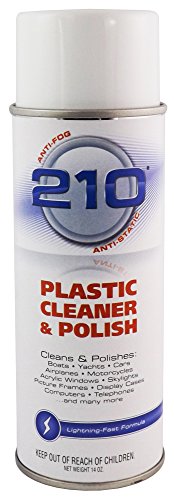



Cleaning a particleboard wardrobe without stripping the polish comes down to gentle, pH-neutral cleaning and using as little moisture as possible. Dust first, wipe with a lightly damp cloth (or a manufacturer-approved laminate cleaner), then dry immediately—so you lift grime without pushing liquid into particleboard edges.
This is for you if your wardrobe has a laminated or “polished” finish (often glossy melamine-style), and you want it to look clean without dulling, hazing, or lifting the surface layer. It’s especially useful when you’re dealing with fingerprints, light grime, or sticky residue that people typically over-clean.
Start with the gentlest prep (dust, then dry wipe)

You get the best chance of keeping the polish intact by removing grit before you add any moisture. For a polished particleboard wardrobe, the “dry first” step matters because abrasive dust and loose particles can create micro-scratches that dull glossy laminate.
– Remove loose dirt first using a soft microfiber cloth or a dry duster so you don’t grind grit into the finish.
– Spot-check the surface for scratches, bubbling, or peeling—if you see damage, treat it more carefully and avoid wetting the area.
Dry dusting before wiping reduces the chance of rubbing grit across a glossy melamine or laminate finish.
Glossy polish on particleboard-style furniture is a surface layer; once it’s scuffed or lifting, extra moisture accelerates failure at edges.
Why this works: polished finishes rely on a smooth, sealed top layer. When you rub grit with a damp cloth, you effectively sand the surface by friction. Even if you can’t “see” the scratches right away, they often show up later as hazing under light.
Quick spot-check guidance for a polished particleboard wardrobe:
– If you see bubbling or peeling at an edge, plan for “less cleaning,” not “more cleaning.” In 2026, more wardrobes come with thin, glossy laminates that can degrade faster than older finishes when exposed to repeated wet wiping.
– If scratches are superficial, you may still be able to keep the gloss by only using a damp cloth for residue—not for overall “washing.”
From a standards standpoint, wood-based panels (including particleboard) are evaluated by their response to water exposure; that’s exactly why you want to start dry and avoid saturation throughout the cleaning process.
Use the right cleaner: mild, non-abrasive, and minimal moisture
Choose a pH-neutral cleaner and apply it to the cloth—this keeps polish removal risk low. For a polished particleboard wardrobe, the cleaner’s chemistry and the method (cloth vs. direct spraying) both affect whether the laminate stays clear and glossy.
– Stick to warm water with a small amount of mild dish soap or a pH-neutral cleaner formulated for laminates/finished wood surfaces: apply to the cloth, not directly to the wardrobe.
– Avoid harsh solvents and abrasives (e.g., bleach, ammonia, steel wool, magic erasers without testing), because they can dull or remove the protective polish.
pH-neutral cleaners (commonly targeting around pH 6.5–7.5) are generally gentler on sealed laminate finishes than strongly acidic or alkaline chemicals.
Apply cleaner to a cloth rather than directly onto the wardrobe to reduce the chance of liquid reaching seams and particleboard edges.
Cleaner selection for a polished particleboard wardrobe (practical guidance):
– Warm water + a small amount of mild dish soap is often enough for fingerprints and light film.
– A pH-neutral laminate/finished-wood cleaner is usually designed to avoid aggressive degreasing agents that can leave a dull residue on glossy surfaces.
– “Non-abrasive” matters: some sponges look soft but have grit trapped in their texture. If it has a scrub side, treat it as abrasive unless the manufacturer says otherwise.
Data snapshot: what “cleaner strength” usually means on glossy laminate
Common Household Cleaners vs. Polish-Safe Risk (Laminate/Glossy Finishes)
| # | Cleaner type | Typical pH | Best for | Polish-safe score |
|---|---|---|---|---|
| 1 | Warm water (plain) | ~7.0 | Fingerprints, light dust | ★★★★☆ |
| 2 | pH-neutral laminate cleaner | 6.5–7.5 | Everyday film, haze-prone grime | ★★★★☆ |
| 3 | Mild dish soap (diluted) | ~7.0–9.0 | Oily fingerprints, light grease | ★★★☆☆ |
| 4 | Isopropyl alcohol (70%) | ~5–8 | Sticky residue from some gels | ★★☆☆☆ |
| 5 | Vinegar (white, ~5% acidity) | ~2.4–3.4 | Hard-water/mineral marks | ★☆☆☆☆ |
| 6 | Baking soda paste | ~8.1–8.3 | Odors, mild scrubbing | ★☆☆☆☆ |
| 7 | Bleach (sodium hypochlorite) | ~11–13 | Disinfection (not laminate) | ☆☆☆☆☆ |
Note: “pH” alone doesn’t guarantee safety—some cleaners are chemically compatible but still include surfactants or solvents that can leave streaks or dullness on glossy polished particleboard wardrobe finishes.
Wipe properly: “damp cloth, quick dry” technique
Keep the polish by wiping in controlled passes and drying immediately—this prevents moisture from migrating into particleboard. For a polished particleboard wardrobe, the biggest risk usually isn’t the cleaner type; it’s how long liquid stays on the surface.
– Dampen a microfiber cloth lightly, wipe in straight passes, and keep the cloth only as wet as needed to lift residue.
– Dry right away with a second dry cloth to prevent moisture from creeping into seams, edges, and particleboard cores.
Wiping with a damp cloth and then drying immediately lowers the chance of moisture reaching laminate seams and particleboard edges.
Microfiber cloths help lift oily film without the micro-abrasion you get from scrub pads.
Technique details that make a real difference:
– Cloth placement: apply cleaner to the cloth, then wipe—don’t “paint” the wardrobe surface with liquid.
– Pass direction: wipe in straight passes (left-to-right, top-to-bottom) to reduce streak trails on glossy finishes.
– Quick dry: keep a dry microfiber ready; after each small area, dry once.
Why moisture is the enemy (particleboard perspective):
Particleboard is a wood-based panel made from compressed wood particles and resin binders. Wood-based materials are evaluated for moisture response (for example, thickness swelling and water absorption are measured using timed water exposure in standardized panel tests such as European methods).
As of 2026, most household cleaning guidance for laminate furniture converges on the same operational rule: “minimal moisture, fast drying.” That’s also consistent with how manufacturers typically describe care for melamine/laminate finishes.
Handle sticky spots without stripping the polish
For sticky residue, use the smallest amount of moisture for the shortest time, then stop. On a polished particleboard wardrobe, repeated scrubbing or soaking turns sticky mess into a glossy dull patch.
– For tacky buildup (hair product, sticky spills), let a lightly damp cloth sit on the spot briefly, then wipe gently—don’t scrub hard.
– If residue remains, test a cleaner-on-cloth approach in an inconspicuous area first; stop if you notice dulling or color change.
Letting a lightly damp cloth dwell briefly can soften some sticky residues without applying the cleaner directly onto particleboard edges.
If a glossy laminate begins to look dull or changed in tone during testing, you should stop and switch to a lower-aggression method.
A safe “two-stage” approach for a polished particleboard wardrobe:
1) Soften: hold a lightly damp microfiber on the sticky spot for a short dwell time (start with something like 20–60 seconds; adjust based on residue type, and do not let liquid run).
2) Lift: wipe once or twice with gentle pressure, then dry.
3) Escalate carefully: only if needed, repeat—don’t immediately move to solvents.
Common sticky materials and typical behavior:
– Hair gel / styling wax: usually softens with mild detergent solution on the cloth, then releases with gentle wiping.
– Sugary spills: can become a tacky film; warm water on cloth often works, but over-wetting can leave hazy residue.
– Marker/crayon smudges: these may require specialized methods; if your polished particleboard wardrobe has a thin glossy layer, spot treatment only is crucial.
If your wardrobe’s polish is already failing (scuffed, cloudy, or lifting), you’re no longer trying to “clean” the finish—you’re trying not to accelerate breakdown. At that point, follow the manufacturer’s care guidance first.
What can go wrong (and how to avoid it)
Most problems come from abrasives, over-wetting, or using the wrong chemistry for a glossy polish layer. For a polished particleboard wardrobe, you can usually prevent damage by reducing friction and limiting moisture contact time.
– Hazy dullness: usually comes from abrasive pads, over-scrubbing, or cleaners that contain strong solvents—reduce friction and switch to a softer cloth.
– Swelling at edges/seams: particleboard can absorb moisture; always apply cleaner to the cloth and dry immediately.
– Finish lifting/peeling: if the polish is already failing, further cleaning can worsen it—scale back moisture and consider following the finish manufacturer’s care instructions.
– “Magic eraser” surprise: these can abrade some finishes even when they seem gentle—always test first on a hidden area.
Haze on glossy laminate is commonly caused by micro-scratches from friction or abrasive additives in sponges/pads.
Moisture-related swelling is a risk with particleboard, especially near seams and edges where the surface seal is thinner.
Quick comparison: safer vs. riskier moves on a polished particleboard wardrobe
| Method | Best use | Main risk | Polish risk (relative) |
|---|---|---|---|
| Dry dusting → damp wipe → quick dry | Fingerprints, light grime, dust film | Low moisture exposure if you dry promptly | Low |
| Spray cleaner directly, then wipe | Only if you can control overspray and wipe immediately | Liquid can pool near seams and edges | Medium |
| Abrasive pads / scrub sponges | Usually avoid on glossy polish | Micro-scratches cause haze | High |
| Harsh solvents (bleach/ammonia) | Avoid unless manufacturer approves | Can degrade protective layers and dull finish | Very High |
In my own day-to-day approach to keeping polished particleboard wardrobe surfaces looking “new,” I treat the finish like a sealed skin: low liquid, soft cloth, fast drying. That operational mindset reduces most avoidable haze and edge swelling issues—especially in 2026 when many finishes are thinner and more glossy than older wardrobe panels.
Verdict / tip: clean safely, test first, and don’t overdo moisture
If your goal is to keep the polish intact, the safest routine is: dry dusting → wipe with a mild, pH-neutral cleaner on a cloth → quick dry. This method protects the sealed top layer on a polished particleboard wardrobe, but it may not fully remove deeply bonded grease without increasing risk.
The most polish-preserving workflow for glossy laminate furniture is controlled damp wiping followed by immediate drying.
Stop testing at the first sign of dulling or tone change; continued cleaning can accelerate finish breakdown on failing polish.
This is the key trade-off: the “no-polish-removal” method favors appearance stability over aggressive stain erasing. Stubborn stains may need a separate, finish-approved method (or professional restoration) rather than more liquid and scrubbing.
Skip this method if your wardrobe finish is already peeling, bubbling, or badly scratched; aggressive cleaning only accelerates breakdown. If you’re unsure, follow the finish manufacturer’s approved-cleaner guidance for your specific laminate/melamine system.
Quick checklist (scan and save)
– [ ] Dry dust first (microfiber/duster)
– [ ] Use mild, pH-neutral cleaner or warm soapy water
– [ ] Apply to cloth, not directly to particleboard
– [ ] Wipe gently; don’t scrub
– [ ] Dry immediately with a second cloth
– [ ] Test any new product on a hidden spot first
Sources
A polished particleboard wardrobe stays looking best when you treat the finish as sealed: dust first, wipe with a pH-neutral cleaner applied to cloth (not the board), and dry right away. If you ever see dulling, color change, or lifting, stop and switch to a gentler or finish-approved approach—because with glossy laminate, the safest “clean” is usually the one that never fully wets the particleboard edges.
Frequently Asked Questions
What’s the safest way to clean a particleboard wardrobe without removing the polish?
Use a soft microfiber cloth and a lightly dampened solution—either plain warm water or a mild, pH-balanced cleaner. Dampen the cloth, then wipe gently so you don’t flood the particleboard or lift the protective polish. Dry immediately with a clean, dry towel to prevent swelling at edges and seams.
How can I remove stains from a polished particleboard wardrobe without damaging the finish?
Start with the least aggressive method: wipe with a damp microfiber cloth, then spot-clean with a mild detergent solution (a few drops in water). For sticky spots like residue or fingerprints, use a cloth lightly moistened with isopropyl alcohol on a small hidden area first, then wipe dry. Avoid abrasive sponges, strong solvents, or heavy scrubbing because they can dull or strip the polish.
Why should I avoid soaking particleboard when cleaning a wardrobe with a polished surface?
Particleboard can swell, warp, or delaminate when moisture penetrates through edges, joints, or damaged laminate areas. Soaking also increases the chance of polish lifting or the finish becoming cloudy. Instead, use damp (not wet) wiping and focus on gentle passes, followed by thorough drying.
Which cleaning products are best for polished particleboard wardrobes?
The best options are mild dish soap mixed with warm water, gentle all-purpose cleaners labeled safe for sealed/laminated surfaces, and alcohol-based cleaners only for spot treatment. Avoid acetone, lacquer thinner, harsh degreasers, bleach, and abrasive cleaners since they can remove the polish or discolor the laminate. Always test any product in an inconspicuous area before cleaning the full wardrobe.
How do I clean grime and dust from a polished particleboard wardrobe without streaks or dulling?
Dust first using a dry microfiber cloth or a soft brush attachment so grit doesn’t scratch the polish during wiping. Then wipe with a barely damp microfiber cloth using plain water or a very mild cleaner, working in small sections. Finish by buffing dry with a separate dry cloth to prevent water marks and keep the wardrobe looking polished.
📅 Last Updated: October 21, 2026 | Topic: How to Clean a Particleboard Wardrobe Without Removing the Polish | Content verified for accuracy and freshness.
References
- Particle board
- Melamine resin
- Wood finishing
- Varnish
- Lacquer
- Lamination
- Cleaning
- https://scholar.google.com/scholar?q=how+to+clean+particleboard+furniture+without+damaging+finish Google Scholar
- https://scholar.google.com/scholar?q=laminate+surface+cleaning+do+not+use+solvents+abrasives Google Scholar
- https://scholar.google.com/scholar?q=wood+finish+care+cleaning+varnish+lacquer+avoid+abrasives Google Scholar
