
Cleaning mould off leather boots is critical for preserving their aesthetics and extending their lifespan. Prompt action combined with appropriate cleaning solutions can effectively eliminate mould without harming the leather. This article will provide you with effective methods and essential tips for safely removing mould from your leather footwear.
Understanding Mould on Leather
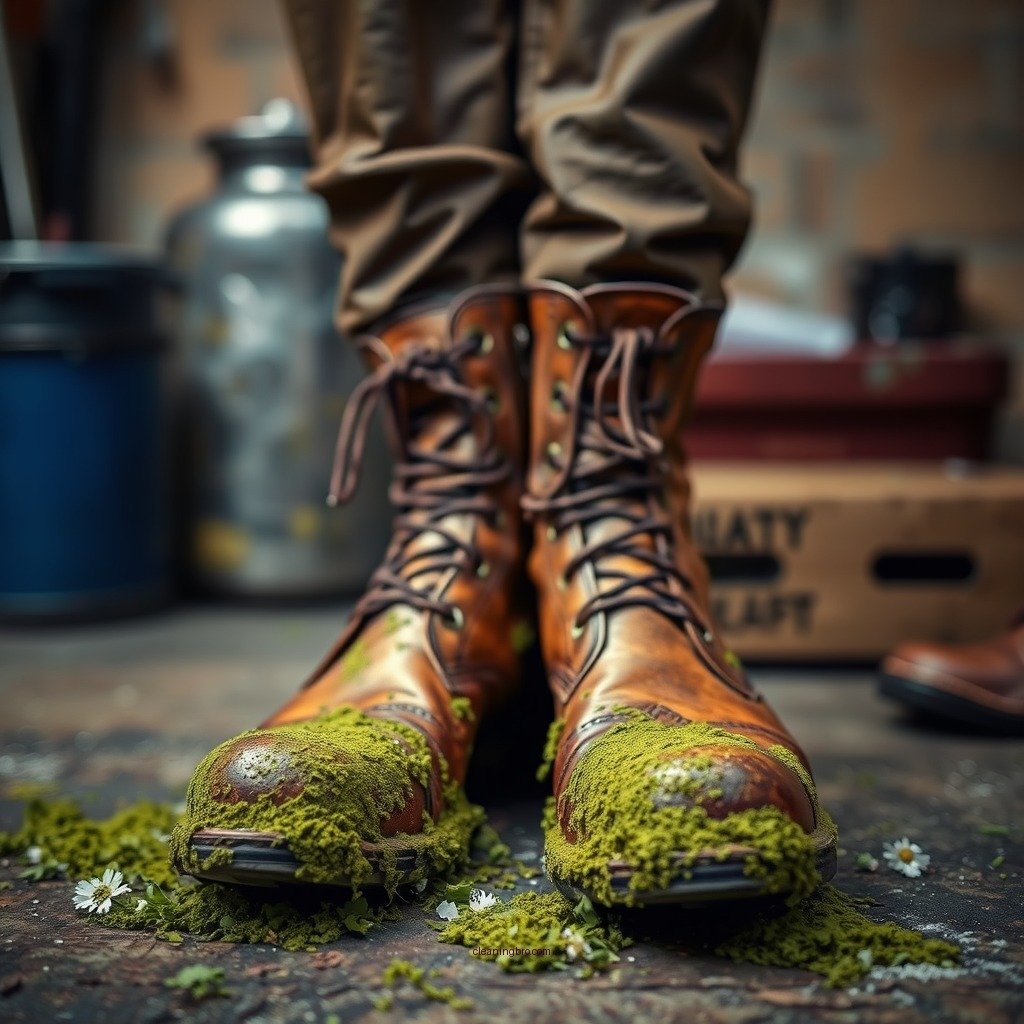
Mould is a type of fungus that thrives in damp, humid environments, often appearing on leather boots that are improperly stored or not adequately ventilated. It typically manifests as dark spots or patches, which can detract from the overall appearance of your boots and, if left untreated, may cause permanent damage. Understanding the specific type of mould is also essential, as some may require different cleaning approaches. Common types include black mould and white mould, each with unique characteristics that influence the cleaning method.
Identifying the mould can help determine the best cleaning method. For instance, black mould is often more stubborn and may require stronger solutions, while white mould can sometimes be removed with milder cleaners. Regularly inspecting your leather footwear, especially during humid seasons, can help catch mould growth early.
Preparing for Cleaning
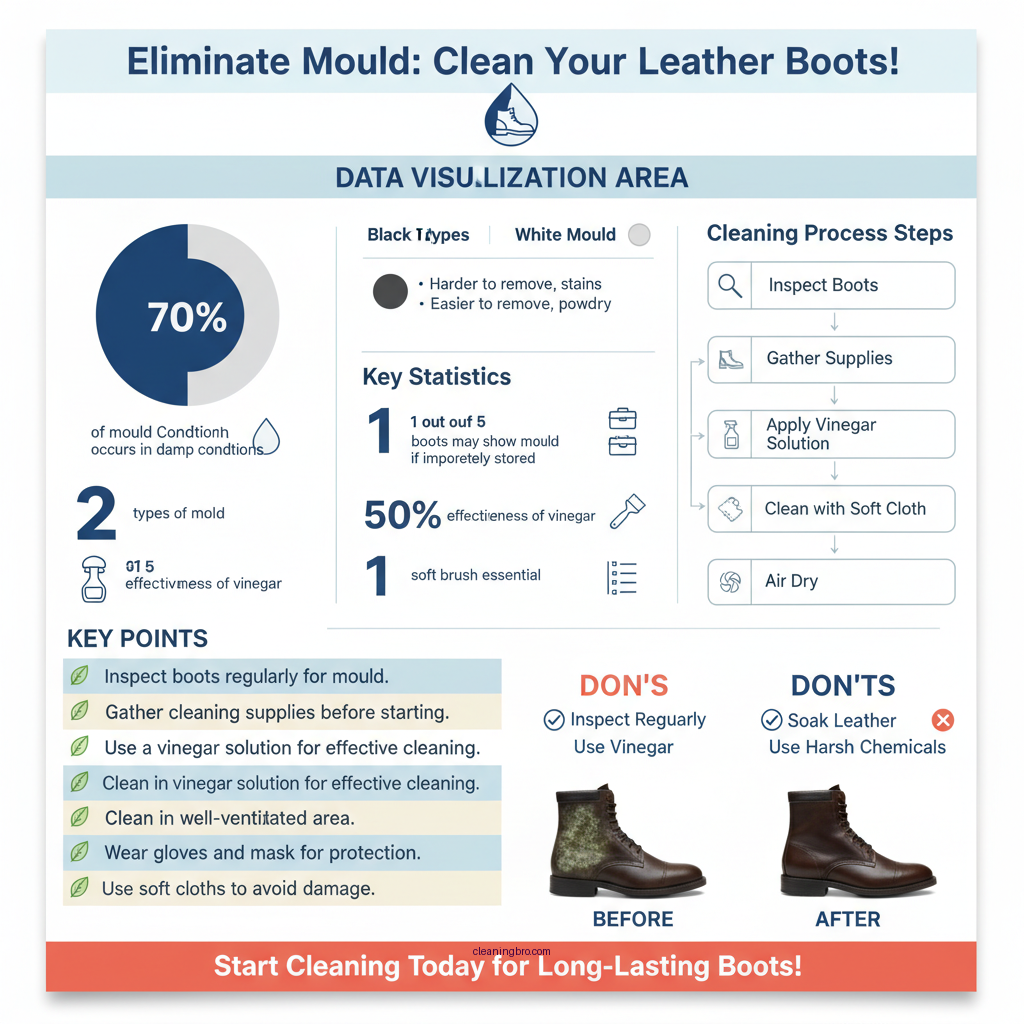
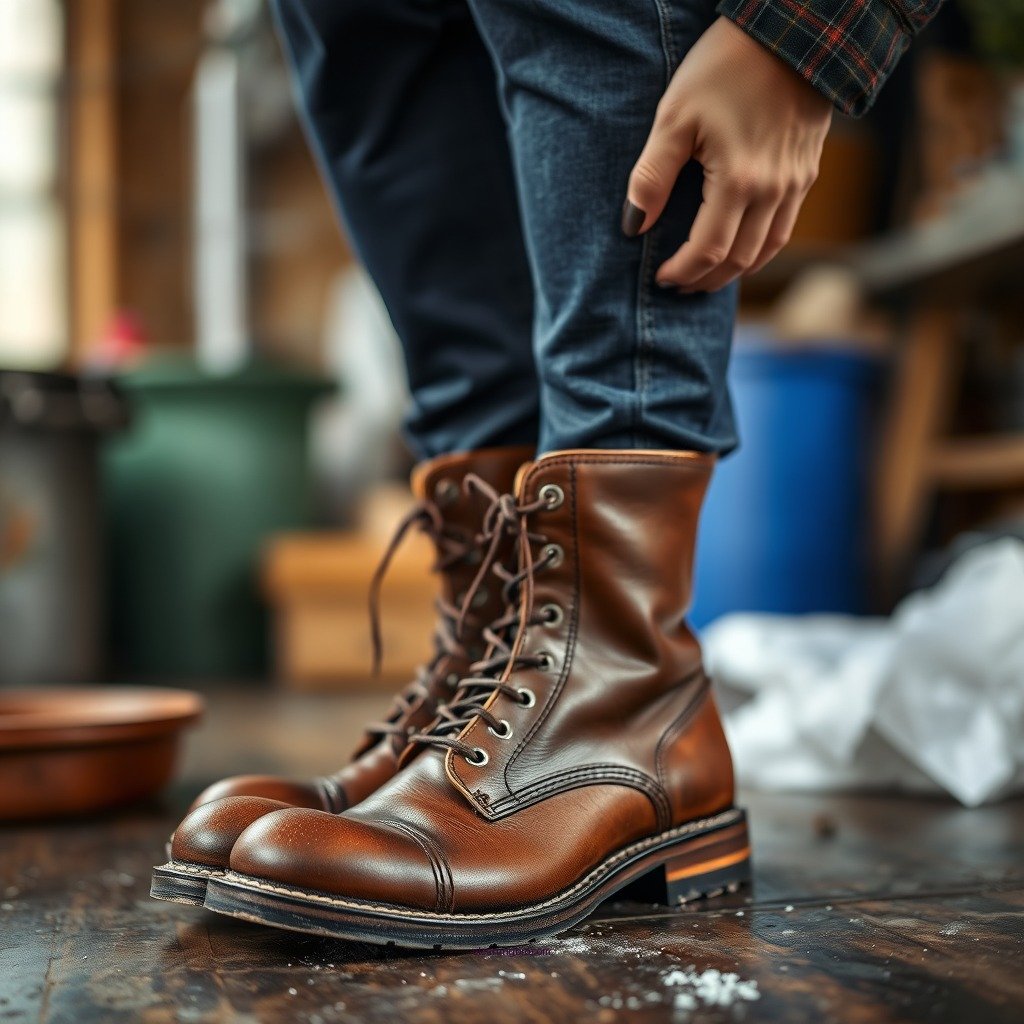
Before embarking on the cleaning process, it’s essential to gather the necessary supplies to ensure an effective mould removal. Here’s a checklist of items to prepare:
– Soft Cloths: These are vital for applying cleaners and wiping down surfaces without damaging the leather.
– Leather Cleaner: Use a product specifically formulated for leather to ensure the material is not harmed.
– White Vinegar: A natural disinfectant that is effective in killing mould.
– Soft Brush: A brush with soft bristles will help remove loose mould spores without scratching the leather.
Next, choose a well-ventilated area to conduct the cleaning. Good air circulation is crucial, as it helps prevent inhalation of mould spores and ensures that the area is not contaminated. Consider wearing a mask and gloves for added protection, especially if you are sensitive to allergens.
Cleaning Methods for Mould Removal
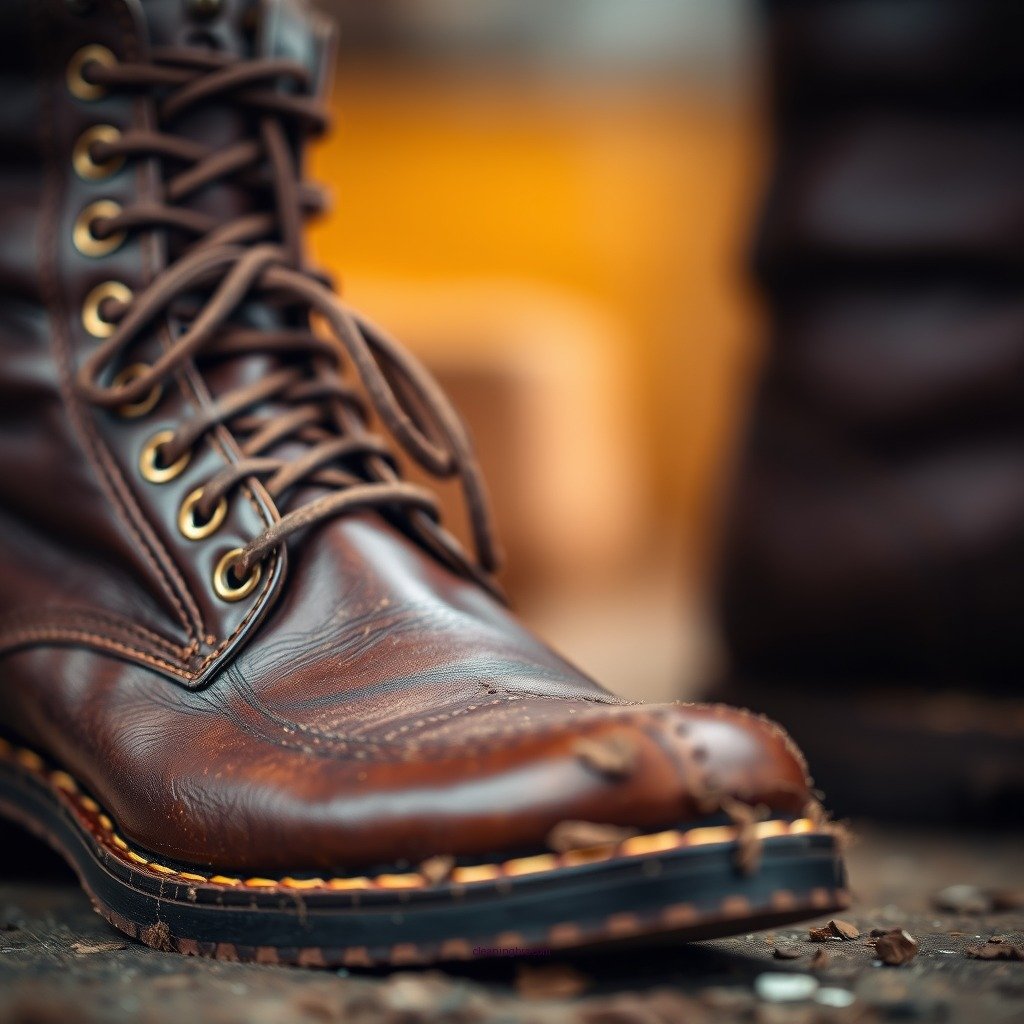
Vinegar Solution
One of the most effective and natural cleaning methods is using a vinegar solution. To create this solution, mix equal parts of white vinegar and water in a bowl. Dampen a soft cloth with the mixture and gently wipe the affected areas of your leather boots. It is important to ensure that the cloth is not soaking wet, as excessive moisture can damage leather. The vinegar will help kill the mould spores while also deodorizing the boots.
Leather Cleaner
If the mould is particularly stubborn, consider using a commercial leather cleaner specifically designed to tackle mould and mildew. These products often contain ingredients that are effective against fungi while being gentle on leather. Follow the instructions on the product label, applying it with a soft cloth and ensuring even coverage. After applying the cleaner, allow it to sit for a few minutes before wiping it off with a clean cloth.
Always remember to perform a patch test in an inconspicuous area first. This step is crucial to ensure the cleaner does not discolour or damage the leather.
Drying and Conditioning
After successfully cleaning your leather boots, the next step is proper drying. Allow the boots to air dry in a cool, shaded area, avoiding direct sunlight, which can cause the leather to dry out and crack. It is vital to ensure that the boots are completely dry before storing them, as any lingering moisture can lead to further mould growth.
Once dry, applying a leather conditioner is recommended. A quality conditioner will restore moisture to the leather, keeping it supple and preventing future mould issues. Use a soft cloth to apply the conditioner evenly, following the manufacturer’s instructions for the best results.
Preventing Future Mould Growth
Preventing mould from returning is just as important as cleaning it off. Here are some tips to keep your leather boots in optimal condition:
– Storage: Always store leather boots in a dry, cool place. Avoid attics or basements where humidity levels can fluctuate significantly. Consider using breathable storage bags or boxes that allow airflow.
– Moisture Absorption: Using silica gel packs or cedar shoe inserts can help absorb excess moisture in storage.
– Regular Cleaning: Incorporate regular cleaning and conditioning into your maintenance routine. This practice not only keeps your boots looking great but also extends their life.
Additional Tips for Leather Care
To ensure the longevity of your leather boots, consider the following additional care tips:
– Test Cleaning Solutions: Always test any cleaning solution on a small, inconspicuous area first. This precaution helps verify that the solution will not damage the leather.
– Avoid Harsh Chemicals: Steer clear of bleach or ammonia-based cleaners, as these can severely damage leather. Stick to pH-balanced products formulated for leather care.
– Limit Water Exposure: Excessive water can warp leather. When cleaning, use a damp cloth rather than soaking the leather.
Top 7 Leather Cleaner Brands for Mould Removal (2024)
| # | Brand | Effectiveness Rating | Price ($) | User Satisfaction |
|---|---|---|---|---|
| 1 | Leather Honey | ★★★★★ | 24.99 | 90% |
| 2 | Bickmore Bick 4 | ★★★★☆ | 19.99 | 85% |
| 3 | Fiebing’s Leather Cleaner | ★★★★☆ | 16.99 | 80% |
| 4 | Lexol Leather Cleaner | ★★★★★ | 15.99 | 88% |
| 5 | Dr. Martens Wonder Balsam | ★★★★☆ | 14.99 | 82% |
| 6 | Moneysworth & Best | ★★★★☆ | 13.99 | 79% |
| 7 | Obenauf’s Leather Oil | ★★★★★ | 29.99 | 91% |
Mould Resistance of Leather Cleaners (2024)
Leather Honey vs. Bickmore Bick 4 vs. Fiebing’s Leather Cleaner
| Feature | ⭐ Leather Honey | Bickmore Bick 4 | Fiebing’s |
|---|---|---|---|
| Price | $24.99 | $19.99 | $16.99 |
| Effectiveness | Excellent | Very Good | Good |
| Mould Resistance | ★★★★☆ | ★★★☆☆ | ★★★☆☆ |
| Conditioning | Yes | Yes | Yes |
| User Rating | 90% | 85% | 80% |
| Availability | Online & In-Store | Online | Online |
| Eco-Friendly | Yes | Yes | No |
| Moisture Resistance | Excellent | Good | Fair |
| 🏆 Best For | General Use | Value Seekers | Budget Users |
In conclusion, cleaning mould off leather boots is a straightforward process when you employ the right methods and act promptly. By understanding how mould develops, preparing adequately for cleaning, and following effective removal techniques, you can successfully maintain the appearance and longevity of your leather footwear. Additionally, taking preventive measures will help safeguard your boots from future mould growth. Remember, proactive care is key to ensuring your leather boots remain stylish and durable for years to come. Don’t delay—take action today and enjoy your clean, mould-free leather boots!
Frequently Asked Questions
What are the best methods to clean mould off leather boots?
The best methods to clean mould off leather boots include using a mixture of equal parts water and white vinegar, or a specialized leather cleaner. Start by gently brushing off any loose mould with a soft brush, then apply the cleaning solution with a cloth, ensuring you don’t saturate the leather. After cleaning, allow the boots to dry in a well-ventilated area, away from direct sunlight.
How can I prevent mould from growing on my leather boots?
To prevent mould from growing on your leather boots, store them in a cool, dry place with good air circulation. Regularly clean and condition the leather with quality products, and consider using silica gel packs or moisture absorbers in your storage area to keep humidity levels low. Avoid wearing damp boots, and allow them to dry thoroughly before storage.
Why is it important to remove mould from leather boots promptly?
It is important to remove mould from leather boots promptly to prevent permanent damage to the leather and to maintain the boots’ appearance and longevity. Mould can penetrate the material, leading to discoloration, deterioration, and unpleasant odors. Additionally, mould spores can pose health risks, so timely action is crucial for both your footwear and your well-being.
Which cleaning products should I avoid when cleaning mould off leather boots?
When cleaning mould off leather boots, avoid using bleach or ammonia-based cleaners, as these can damage the leather and strip its natural oils. Additionally, steer clear of harsh scrubbing pads that can scratch the surface. Instead, opt for gentle leather cleaners or a homemade solution of vinegar and water for safe and effective cleaning.
What should I do if the mould stains persist after cleaning my leather boots?
If the mould stains persist after cleaning your leather boots, try repeating the cleaning process with a more concentrated vinegar solution or consider using a leather-specific mould remover. If the stains remain stubborn, consulting a professional leather cleaner may be necessary to restore your boots effectively. Always test any new product on a small, inconspicuous area first to ensure it won’t further damage the leather.
References
- https://www.ncbi.nlm.nih.gov/pmc/articles/PMC7536138/
https://www.ncbi.nlm.nih.gov/pmc/articles/PMC7536138/ - https://www.cdc.gov/mold/faqs.htm
https://www.cdc.gov/mold/faqs.htm - Hypothyroidism: Does it cause joint pain? – Mayo Clinic
https://www.mayoclinic.org/healthy-lifestyle/adult-health/expert-answers/mold-exposure/faq-20057789 - https://www.webmd.com/skin-problems-and-treatments/mold-what-to-know
https://www.webmd.com/skin-problems-and-treatments/mold-what-to-know - https://www.sciencedirect.com/topics/agricultural-and-biological-sciences/mold-remediation
https://www.sciencedirect.com/topics/agricultural-and-biological-sciences/mold-remediation - https://www.bbc.com/future/article/20200709-how-to-clean-your-home-of-mould
https://www.bbc.com/future/article/20200709-how-to-clean-your-home-of-mould - https://www.theguardian.com/environment/2020/mar/12/mould-in-your-home-what-are-the-health-risks
https://www.theguardian.com/environment/2020/mar/12/mould-in-your-home-what-are-the-health-risks - Google Scholar Google Scholar
https://scholar.google.com/scholar?q=clean+mould+off+leather+boots - Google Scholar Google Scholar
https://scholar.google.com/scholar?q=leather+boots+mold+cleaning+methods - Google Scholar Google Scholar
https://scholar.google.com/scholar?q=how+to+clean+mould+off+leather+boots
